

2026: Continuing the Work That Builds Independent Living

Image: CPWD staff and board members are pictured together outside.
2025 was a year of strong connection and meaningful progress at CPWD. We served more than 2,200 people with disabilities across our greater community, and we strengthened relationships with agencies, partners, and policymakers who share our commitment to independent living.
See our recent recap of 2025 here.
As we move into 2026, our focus remains on the needs of the people we serve. This year, CPWD will continue providing Independent Living Services and Core Services while expanding employment supports, strengthening community partnerships, and advancing advocacy that protects access, dignity, and choice for people with disabilities.
In this article, we want to share what CPWD is working on in 2026, where we are focusing our energy, the partnerships we are building, and the policy and service priorities guiding our work.
Continuing Independent Living and Core Services
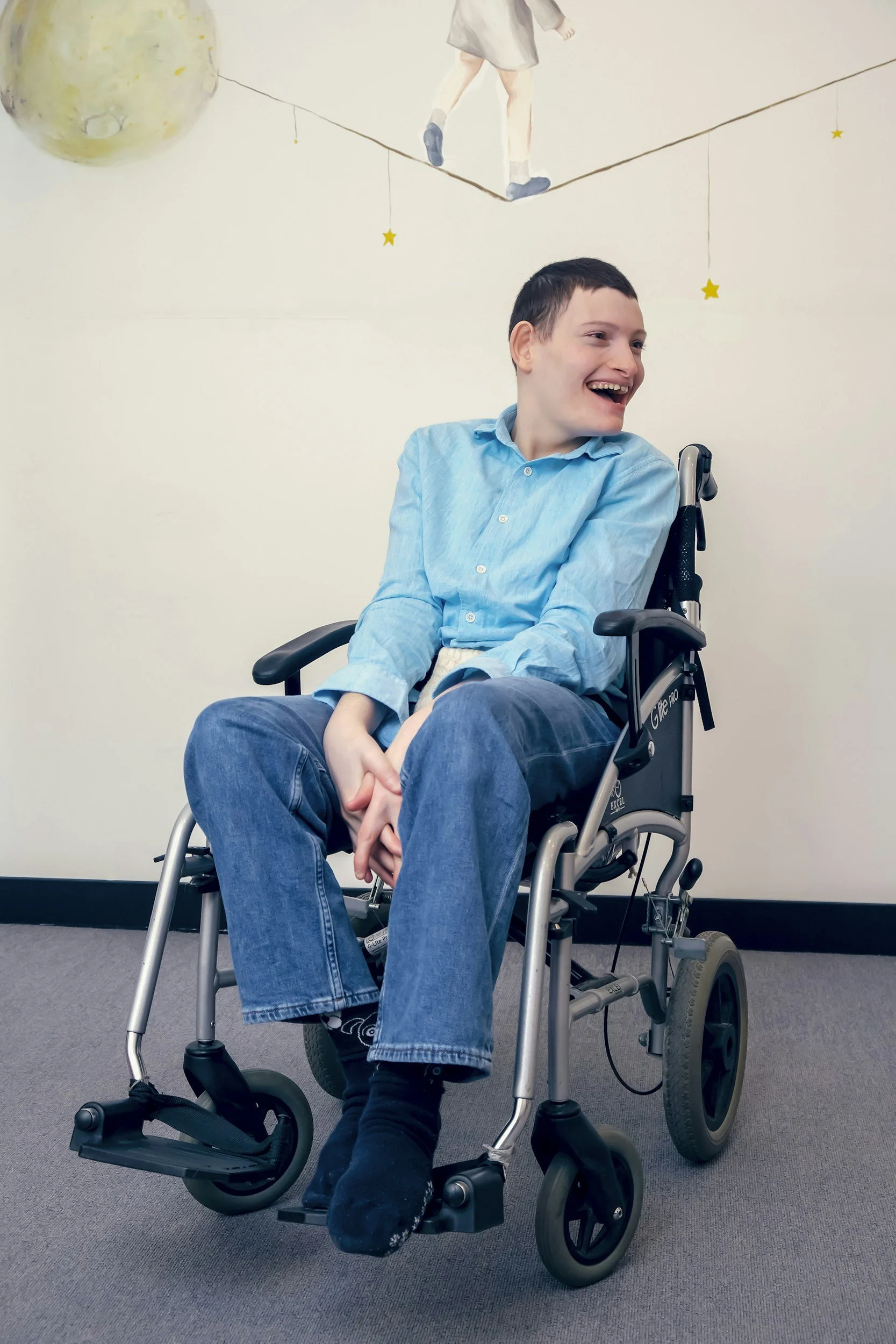
Image: A young man who uses a wheelchair smiles.
Core Services remain at the heart of CPWD’s work. In 2026, CPWD will continue providing information and referral, independent living skills training, peer support, individual and systems advocacy, youth transitions from high school to adulthood, and transitions for individuals from nursing homes to community living. These core services support people as they navigate housing, healthcare, benefits, transportation, education, employment, and community access.
Through these services, CPWD helps people build skills, understand their options, and make informed choices that support independent living and long-term stability.
Continuing Community Education and Training
CPWD will continue Disability Etiquette Trainings and community education in 2026. Access and inclusion grow when communities learn, listen, and make changes.
These trainings create a space for real conversations about respectful communication, inclusive environments, and the everyday barriers people with disabilities face. They also help organizations, agencies, and community members better understand how to respectfully relate to, hire and manage, and support people with disabilities. They educate individuals and organizations about the philosophies and actions rooted in independent living.
Advancing Policy That Protects Community Living

Image: members of CPWD’s staff and board talk with state representatives.
CPWD will continue its advocacy work in 2026. Public policy plays a central role in whether people have access to services, housing, benefits, and the ability to live safely and independently in our communities.
This year, CPWD is working in partnership with the Association of Colorado Centers for Independent Living (ACCIL) to advance legislation focused on increasing supports and resources for individuals with disabilities transitioning from a nursing facility to community living.
Too often, individuals are discharged before long-term services, housing supports, and care plans are in place. The proposed legislation would establish presumptive eligibility for long-term services and supports and require that these services be arranged prior to discharge. If passed, this change would increase the ability for individuals to transition to community living and ensure that baseline needs are in place. This, in turn, would result in higher long-term success rates, safer transitions for individuals, and increased community integration and equity.
To find out how you can get involved with CPWD’s Advocacy work, visit our Advocacy page on our website or reach out to Craig Towler at craig@cpwd.org
Employment and Benefits Support
Employment and financial stability continue to be central priorities in CPWD’s work. In 2026, CPWD will increase the number of individuals receiving employment supports and expand awareness of the Ticket to Work program by strengthening connections with community agencies that refer to individuals seeking employment services.
CPWD will also expand benefits counseling services, helping individuals and families better understand how employment may affect benefits and how to make informed decisions about work, income, and healthcare.

Image: A paper with the words “Supplemental Security Income SSI” is pictured.
We are also growing our SSI (Supplemental Security Income) and SSDI (Social Security Disability Insurance) assistance services. SSI is critical for low-income individuals with disabilities to put a meager financial foundation in place. SSDI is for individuals who were working and then acquired a disability that prevented them from working; it’s a state-managed insurance that provides baseline financial support for those who can no longer work due to a disability. (learn about these services in a previous article here.) Unfortunately, the applications are complicated, processing times are long, and the Social Security Administration often makes processing and clerical errors, resulting in denials. We now have two bilingual staff dedicated to these services: a certified Non-Attorney Representative and an Attorney, who are experts in completing applications with high success rates, and can work with appeals, in and out of court.
Outreach efforts will also include increasing referrals for benefits counseling through the Division of Vocational Rehabilitation (DVR) and Medicaid Waiver programs so more people can access guidance that supports financial stability.
Youth and Older Adult Services
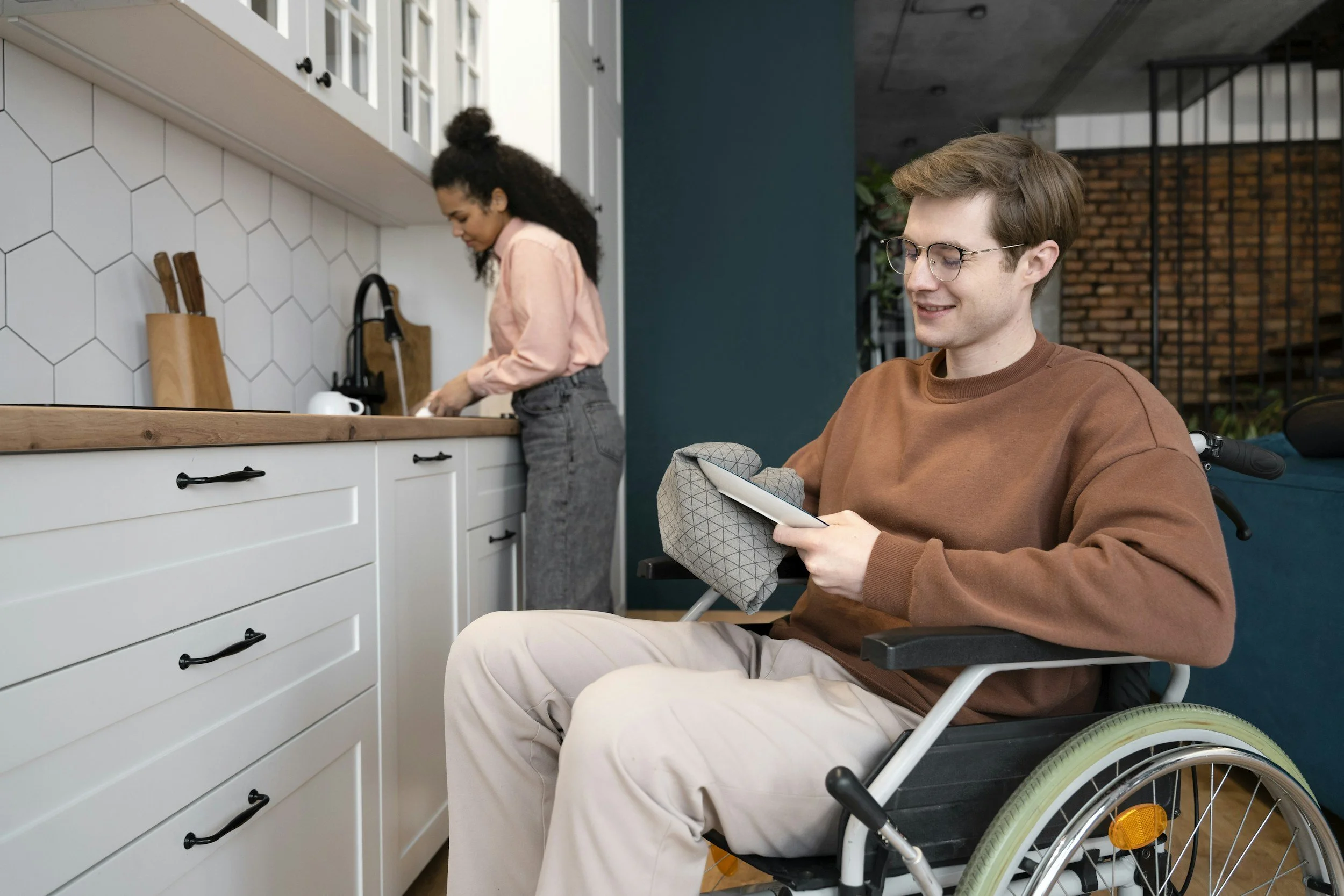
Image: A young man who uses a wheelchair dries the dishes while a woman behind him washes in the sink.
Through the Map My Path grant, CPWD will continue its partnership with DVR and School District 27J to improve outreach to youth, parents, and families and to develop an outreach plan that supports young people as they prepare for adulthood and independent living.
CPWD will also formalize and expand its partnership with the Justice Coalition For All (JCALL) to increase access to resources for older adults in Boulder County who are experiencing abuse. This work will focus on connecting individuals to housing and transportation resources, emergency financial assistance, caregiving supports, and professional services.
Partnerships and Emergency Preparedness
In 2026, CPWD is beginning a new partnership with Xcel Energy. Through this partnership, CPWD will provide Disability Etiquette Training for Xcel staff and deliver three Emergency Preparedness for People With Disabilities trainings focused on communication, access, and planning for emergencies before they occur.
CPWD will also highlight this pilot partnership in April at the 2026 Access and Functional Needs Conference, where emergency planners, service providers, and advocates gather to improve preparedness and response systems.
Service Expansion and Sustainability

Image: consumers who are part of the Beyond Vision program visit the Denver Art Museum.
CPWD is also focused on strengthening and sustaining key services. In 2026, CPWD will partner with an additional Orientation and Mobility Specialist to ensure blind and low-vision community members continue to have access to Orientation and Mobility services despite provider capacity limitations.
CPWD will seek new funding sources to support and sustain Beyond Vision programs and begin building a peer support group for individuals transitioning out of nursing facilities to strengthen community connections and lived-experience support.
As we move into 2026, CPWD remains committed to continuing Independent Living Services, expanding employment supports, strengthening partnerships, and advancing policy that protects community living.
We are grateful for the people, families, partners, and advocates who continue to shape this work with us, and we look forward to another year of collaboration, advocacy, and service in support of independent living.