

Mental Health Awareness Month: Colorado Is Moving Forward
May is Mental Health Awareness Month. At CPWD, we use this month every year to reflect on what the disability community faces when it comes to mental health, and to point toward what's possible. This year, we want to do something a little different. Rather than focusing primarily on the barriers, we want to celebrate real, concrete progress, while also being honest about the work that remains. Because right now, there is genuine reason for optimism. Particularly here in Colorado.
A Pivotal Moment for Mental Health Policy
Mental health policy in the United States is at a crossroads. In July 2025, the "One Big Beautiful Bill Act" was signed into law, cutting federal Medicaid funding by 15%, which is approximately $1 trillion over ten years. The nonpartisan Congressional Budget Office estimates that nearly 12 million people will directly lose Medicaid coverage as a result, with millions more affected through related insurance changes. People with disabilities are among those most at risk, since Medicaid accounts for 60% of all paid care related to disability support and is the single largest funder of mental health services in the country.
On top of the funding cuts, SAMHSA, the federal agency responsible for mental health and substance use programs, has been reorganized into a new structure called the Administration for a Healthy America (AHA), with significant staff reductions and program eliminations. In January 2026, SAMHSA abruptly terminated approximately $2 billion in mental health grants to more than 2,000 organizations nationwide. Following immediate bipartisan outcry from providers and lawmakers, the funding was reinstated within 24 hours, but the episode left providers shaken, and grant delays and operational disruptions have continued into 2026.
Meanwhile, new Medicaid work requirements and more frequent eligibility checks are beginning to roll out in states, raising serious concerns about coverage loss for people who remain eligible but face new administrative barriers to proving it. These are not abstract policy shifts. They have direct consequences for people with disabilities who depend on mental health services to manage daily life and pursue independent living goals.
But the national picture is not the only picture. In Colorado, advocates, legislators, and organizations have not been waiting for federal direction. They have been building.
What Colorado Has Done
Several significant developments stand out from the past year, each directly benefiting people with disabilities who are trying to access mental health care.
HB 25-1002: Mental Health Parity, Finally With Teeth
Effective January 1, 2026, Colorado's House Bill 25-1002 requires insurance companies to use standardized, nationally recognized clinical criteria when making coverage decisions for mental health and behavioral health treatment. This matters enormously. For years, insurance companies have been able to deny or limit mental health coverage using their own internal standards, often with little transparency or accountability. This law changes that. It requires parity: mental health care must be covered on the same terms as physical health care, and insurers must explain their reasoning when they approve or deny coverage.
This is especially significant given that the federal administration declined in 2025 to enforce Biden-era mental health parity regulations that would have required similar protections nationally. Colorado stepped in where federal enforcement stepped back. For people with disabilities, who are far more likely to need mental health services and far more likely to be navigating complex insurance requirements, this state-level protection is a meaningful and timely win.
Colorado's CCBHC Application: A Major Step Forward
Colorado was awarded a Certified Community Behavioral Health Clinic (CCBHC) Planning Grant in late 2024, giving the state funding and resources to develop a comprehensive model for community-based behavioral health care. On March 31, 2026, Colorado submitted its application for the full four-year CCBHC Demonstration program, which would bring an enhanced federal Medicaid match into the state and significantly strengthen the behavioral health safety net.

Image: A therapist sits and talks with her client.
Up to 10 states will be selected for the demonstration by June 2026. If Colorado is selected, it would unlock sustained federal investment in clinics designed to provide coordinated, comprehensive behavioral health services to anyone who needs them, regardless of their ability to pay. For people with disabilities, who often need mental health, substance use, and primary care services working together rather than in silos, the CCBHC model represents exactly the kind of integrated care that makes independent living more achievable.
Bipartisan Progress on Criminal Justice and Mental Health
During the 2025 legislative session, Colorado also passed bipartisan legislation aimed at disentangling mental health from the criminal justice system and expanding access to services for people on Medicaid. As we covered in a previous article on traumatic brain injury, the intersections between disability, mental health, and incarceration are deep and underaddressed. These legislative steps reflect a growing recognition in Colorado that mental health is a health issue, not a character issue — and that the systems surrounding people with disabilities need to reflect that.
What Still Needs to Change
Progress at the state level is real, but it does not operate in a vacuum. Federal funding decisions will shape what Colorado can actually deliver, no matter how strong its policy framework becomes. The Medicaid cuts now rolling out, combined with the instability at SAMHSA, create genuine uncertainty for providers and for the people who depend on them. States like Colorado, which have built strong behavioral health systems, will still feel the strain when federal support contracts.
The workforce shortage in behavioral health also remains serious. Colorado can pass excellent laws and win important grants, but if there are not enough trained professionals to provide services, access gaps will persist, particularly in rural communities and for people who need providers with expertise in both disability and mental health.
And for people with disabilities specifically, even the best policies require navigation. Understanding what you are entitled to, finding a provider who accepts your coverage, and managing the paperwork involved takes time, persistence, and support that not everyone has in equal measure. That is where organizations like CPWD remain essential.
What This Means for Our Community
We understand that mental health is a core component of independent living. Depression, anxiety, PTSD, and other mental health challenges do not exist separately from someone's ability to manage housing, maintain employment, build relationships, or pursue personal goals. They are woven into the same fabric. That is why, even though CPWD is not a direct mental health services provider, supporting the mental health of the people we serve has always been part of our work.
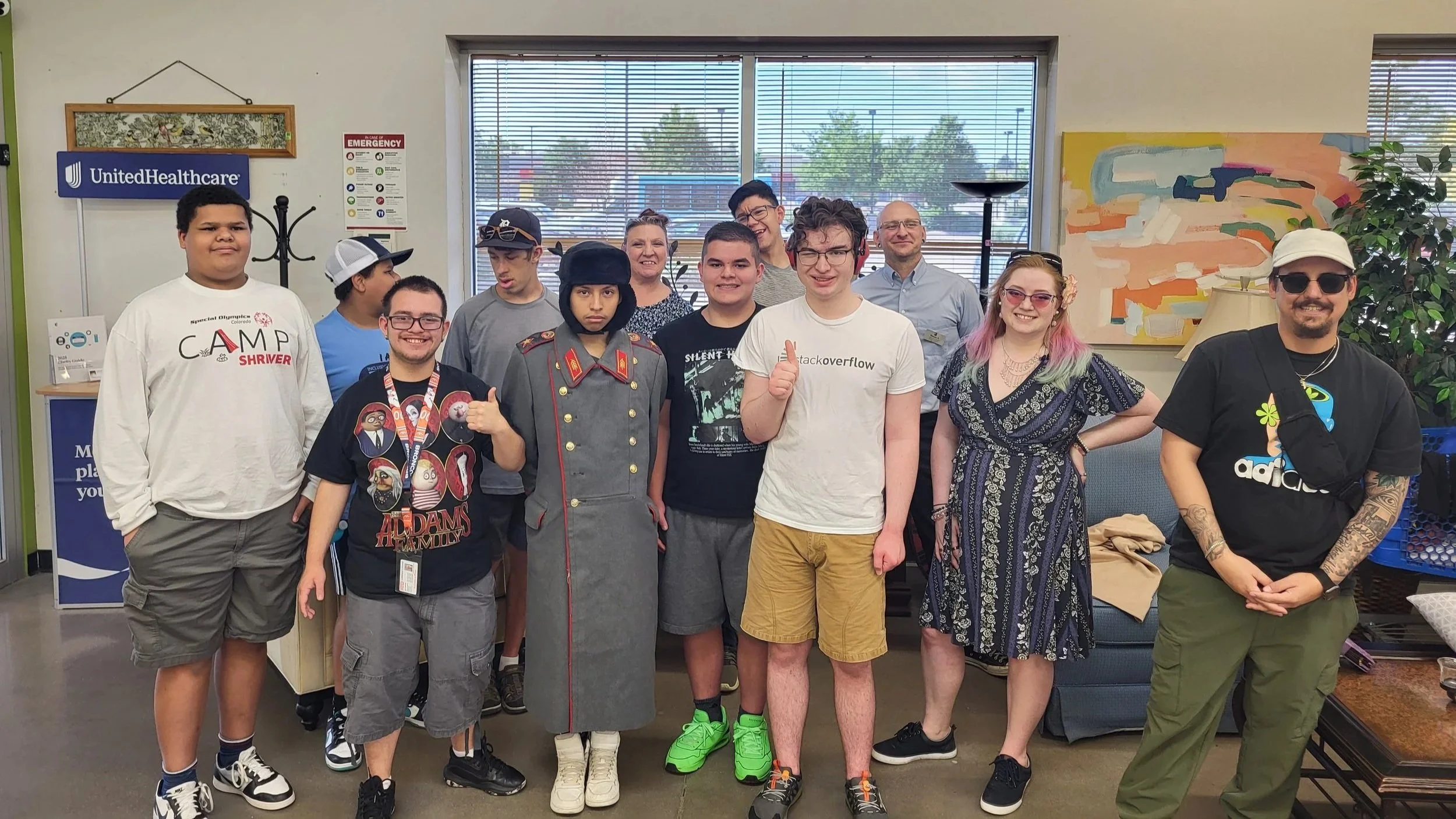
Image: A group of consumers gather for the Youth Peer Support group offered by CPWD.
We offer peer support groups, where people with disabilities connect with others who understand what they are navigating. We connect people with Independent Living Advisors who can help identify resources and make referrals. We offer skills training, advocacy support, and a community that believes in the agency and capacity of every person we serve.
The policy wins described in this article are worth knowing about. But policy only matters when people know how to access what it makes possible. That is where we come in.
If you are navigating mental health challenges and are not sure where to turn, reach out to CPWD. We can help you understand your options, connect with services, and find your footing. Visit our services page or contact us to get started.
If you want to get involved in influencing policy, visit our Systems Advocacy page, sign up for advocacy updates, or reach out to craig@cpwd.org for direct action inquiries.
Colorado is moving forward. So are we.