

Understanding IDD in 2026: Independence, Self-Advocacy, and Community in Colorado
Image: A colorful graphic of a brain, with the words “IDD Awareness Month” over the top of it.
March is recognized across the United States as Intellectual and Developmental Disabilities (IDD) Awareness Month. Established in 1987 by President Ronald Reagan, the month encourages communities to learn more about intellectual and developmental disabilities, recognize the contributions of people with disabilities, and expand opportunities for inclusion.
(IDD) Awareness Month is also a chance to highlight a simple but important truth: people with IDD are valuable members of our communities, and they have the right to live meaningful and self-directed lives.
Understanding IDD is an important step toward building communities where that vision becomes reality.
What Is an Intellectual or Developmental Disability?
The term Intellectual and Developmental Disabilities (IDD) typically refers to a group of lifelong conditions that begin early in life and affect how a person learns, communicates, or manages everyday activities. Some conditions primarily affect intellectual functioning, while others involve physical development, or both.
Congenital conditions commonly included under the IDD umbrella include:
Down syndrome
Autism spectrum disorder
Cerebral palsy
Epilepsy
Intellectual disabilities
Certain genetic or neurological conditions

Image: A young woman with Down’s Syndrome smiles and poses for the camera.
However, IDD can also include people who have an injury- or illness-acquired disability after birth that affects their ability to engage in activities of daily living. Traumatic brain injury, meningitis, encephalitis, measles, mumps, sepsis, and parasites can lead to IDD.
Because IDD encompasses such a wide range of conditions, people’s experiences vary widely. Some individuals live independently and maintain full-time employment. Others rely on daily supports such as caregivers, job coaches, or assisted living services.
What ultimately matters most is not the diagnosis itself, but whether individuals have access to the support and opportunities that allow them to participate fully in their communities. With the right resources in place, people with IDD attend school, build careers, develop relationships, and pursue their own goals.
IDD by the Numbers
IDD affects millions of families across the country. Researchers estimate that more than 7 million Americans live with an intellectual or developmental disability, representing roughly 2–3% of the population.
Colorado is on par with these national trends. State data shows that more than 55,000 Coloradans have been identified as living with intellectual or developmental disabilities, making IDD a significant part of the state’s population. These individuals are students in our schools, employees in local businesses, neighbors in our communities, and participants in civic life. They are an integral part of society.
Yet despite the size of this population, many people with IDD still struggle to access the services that support independence. Across the United States, more than 600,000 people remain on waiting lists for home- and community-based disability services.
The Reality of Family Caregiving
Despite the large number of people living with IDD, only a portion receive public services at any given time. Nationally, the majority of adults with intellectual and developmental disabilities live with family caregivers well into adulthood. Roughly 80% of adults with IDD rely on family members as their primary source of support, and many individuals are not connected to formal services until a need arises.
This dynamic has an important consequence: many caregivers themselves are aging. Research shows that about three-quarters of adults with developmental disabilities live with family, and in roughly one-quarter of those homes, the primary caregiver is over age 60.
Advocates often refer to this situation as the “aging caregiver crisis.” As parents and guardians grow older, many families face difficult questions about housing, long-term care, and financial stability for their adult children.
Colorado families face the same pressures. Each year, more families seek help as caregivers reach their seventies and eighties. The trend highlights the importance of building sustainable support systems beyond the immediate family.
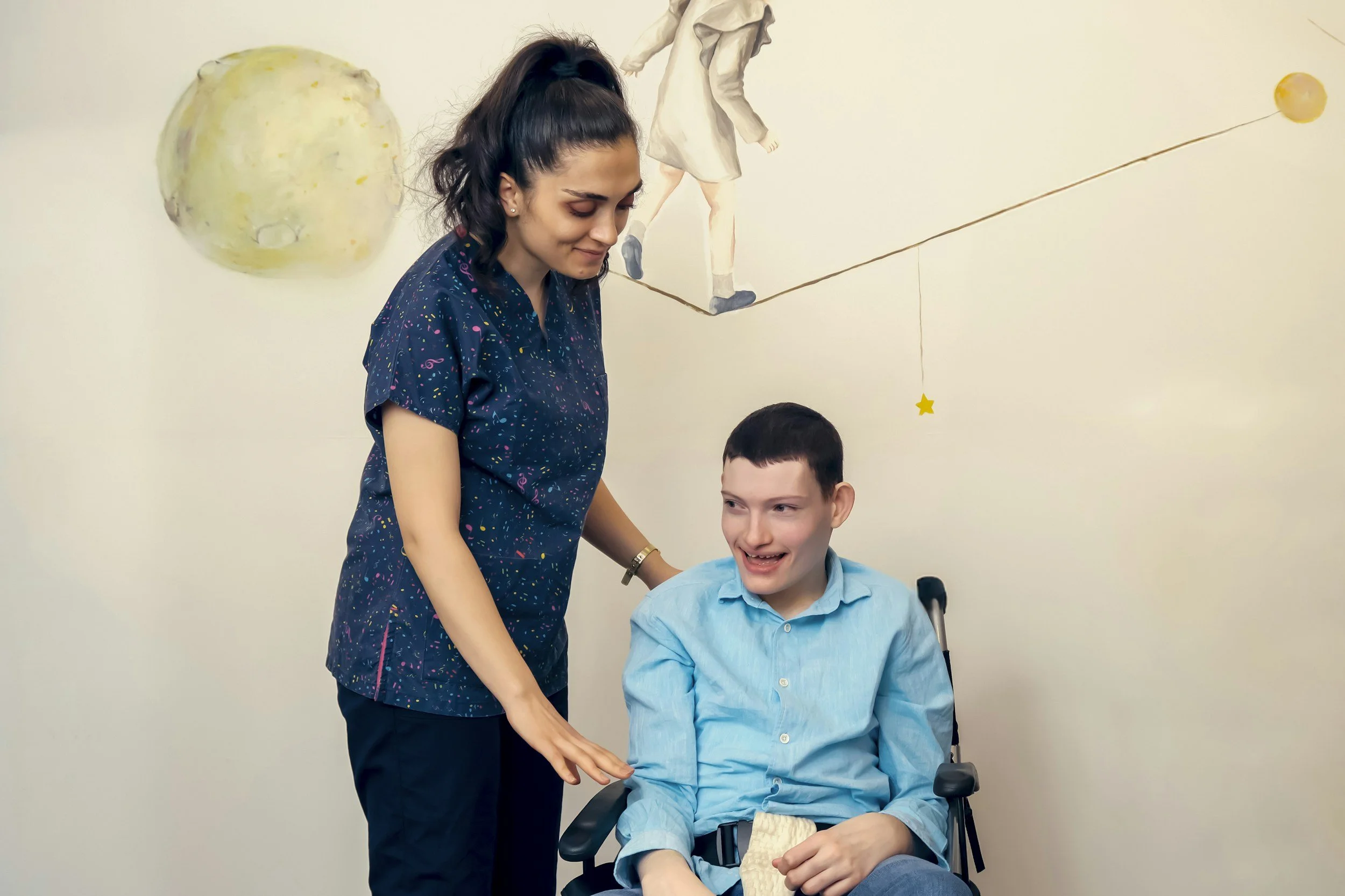
Image: A young man with IDD sits in a wheelchair as a woman who is his caregiver smiles down at him.
Access to services remains a major challenge. In Colorado, many supports for people with IDD are funded through Medicaid Home and Community-Based Services (HCBS) waivers and other state programs. These waivers fund services such as in-home caregiving, day programs, residential supports, job coaching, and respite care, allowing people with disabilities to live in their communities rather than institutions.
Colorado operates several IDD-specific waivers. For adults, the two primary programs are the HCBS-DD Comprehensive waiver, which provides intensive residential support, and the Supported Living Services (SLS) waiver, designed for adults who need ongoing services while living independently or with family.
There are also children’s waivers, such as the CES waiver, which supports children with extensive needs. Even so, demand for these services continues to exceed available slots, creating a long waitlist.
However, the state has made meaningful progress in recent years. As recently as 2014, adults who qualified for the comprehensive HCBS-DD waiver could expect to wait more than 15 years for services. But in recent years, increased funding and policy changes have helped reduce that backlog. In 2021, the Colorado legislature funded 667 new HCBS-DD waiver enrollments, and by 2023, the average wait time had improved to roughly six to seven years. While still long, this represents a significant improvement compared with earlier decades.
State data shows that as of late 2025, about 2,749 individuals remained on the active waiting list for the HCBS-DD Comprehensive waiver. In addition, more than 1,000 families were waiting for assistance through the Family Support Services Program (FSSP), which helps families care for a person with IDD at home.
Taken together, these numbers paint a mixed picture. More people with IDD are living in the community than ever before, often supported by family members. Yet many individuals still struggle to access the services that make long-term independence possible.
From Institutions to Community Living
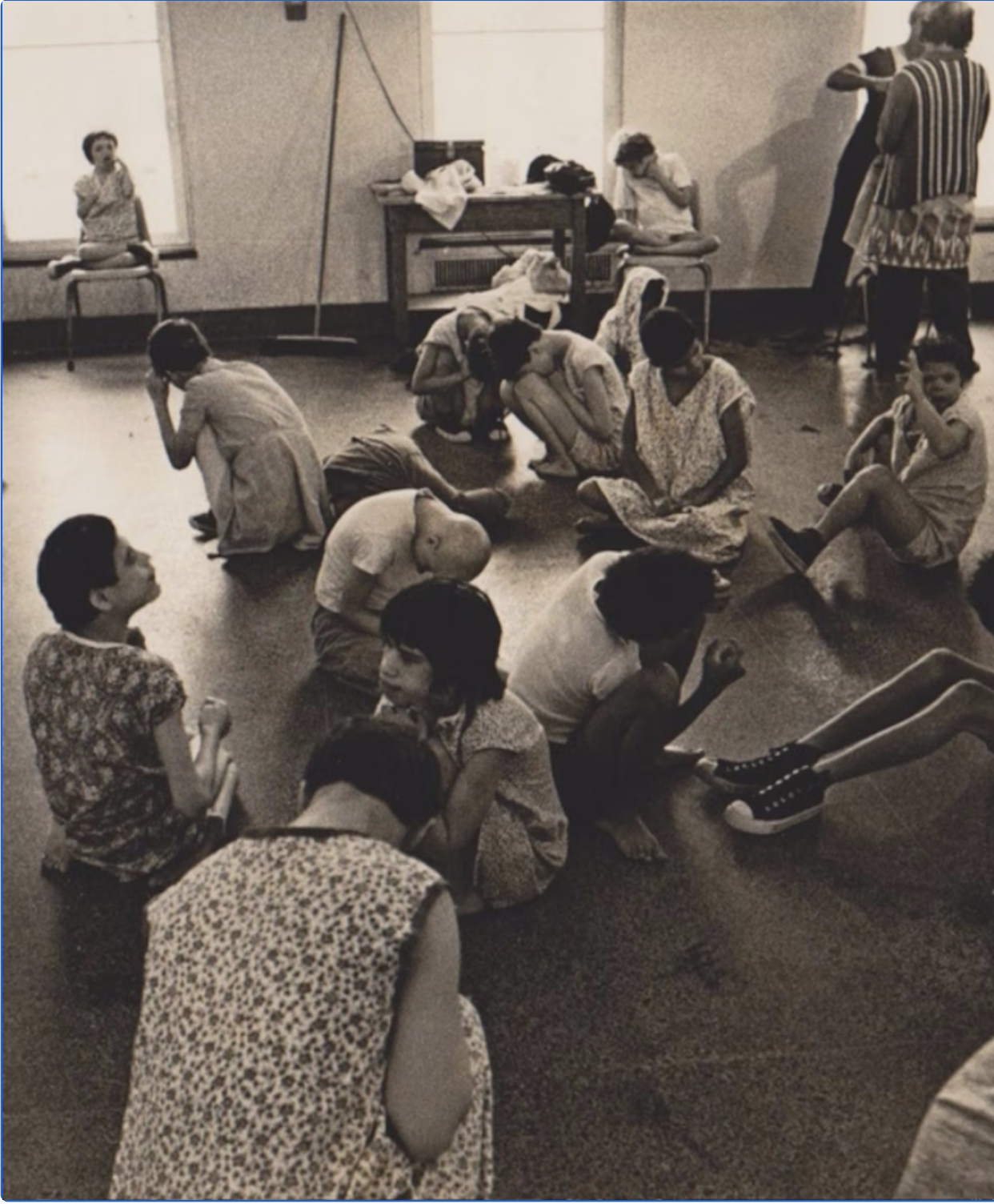
Image: An image from Willowbrook State School, which was an institute for people with IDD, shows a group of girls with IDD sitting on the floor, many with their head in their knees in distress.
Today’s emphasis on community living is the result of decades of advocacy by people with disabilities and their allies. For much of the twentieth century, individuals with intellectual and developmental disabilities were frequently placed in large state institutions, often separated from their families and communities. That system began to change through the disability rights movement.
One turning point came in 1977 with the Section 504 sit-ins, when disability activists occupied federal buildings to demand enforcement of civil rights protections. These protests helped pave the way for the Americans with Disabilities Act (ADA) of 1990, which established sweeping protections against disability discrimination in employment, education, transportation, and public life.
Another landmark moment came in the Supreme Court decision Olmstead v. L.C.. The Court ruled that unnecessary institutionalization violates the ADA and that individuals have the right to receive services in the most integrated setting possible.
Together, these milestones helped shift public policy toward home- and community-based supports, allowing people with disabilities to live, work, and participate fully in their communities.
For more details on how the Independent Living Movement reshaped opportunities for people with IDD, read this previous article: Intellectual and Developmental Disabilities and the Independent Living Movement.
Self-Advocacy and “Nothing About Us Without Us”
One of the most powerful developments in disability rights over the past several decades has been the rise of self-advocacy. Self-advocacy means people with disabilities speaking up for themselves and participating in decisions that affect their lives.
This approach reflects a central principle of the disability rights movement: “Nothing About Us Without Us.”
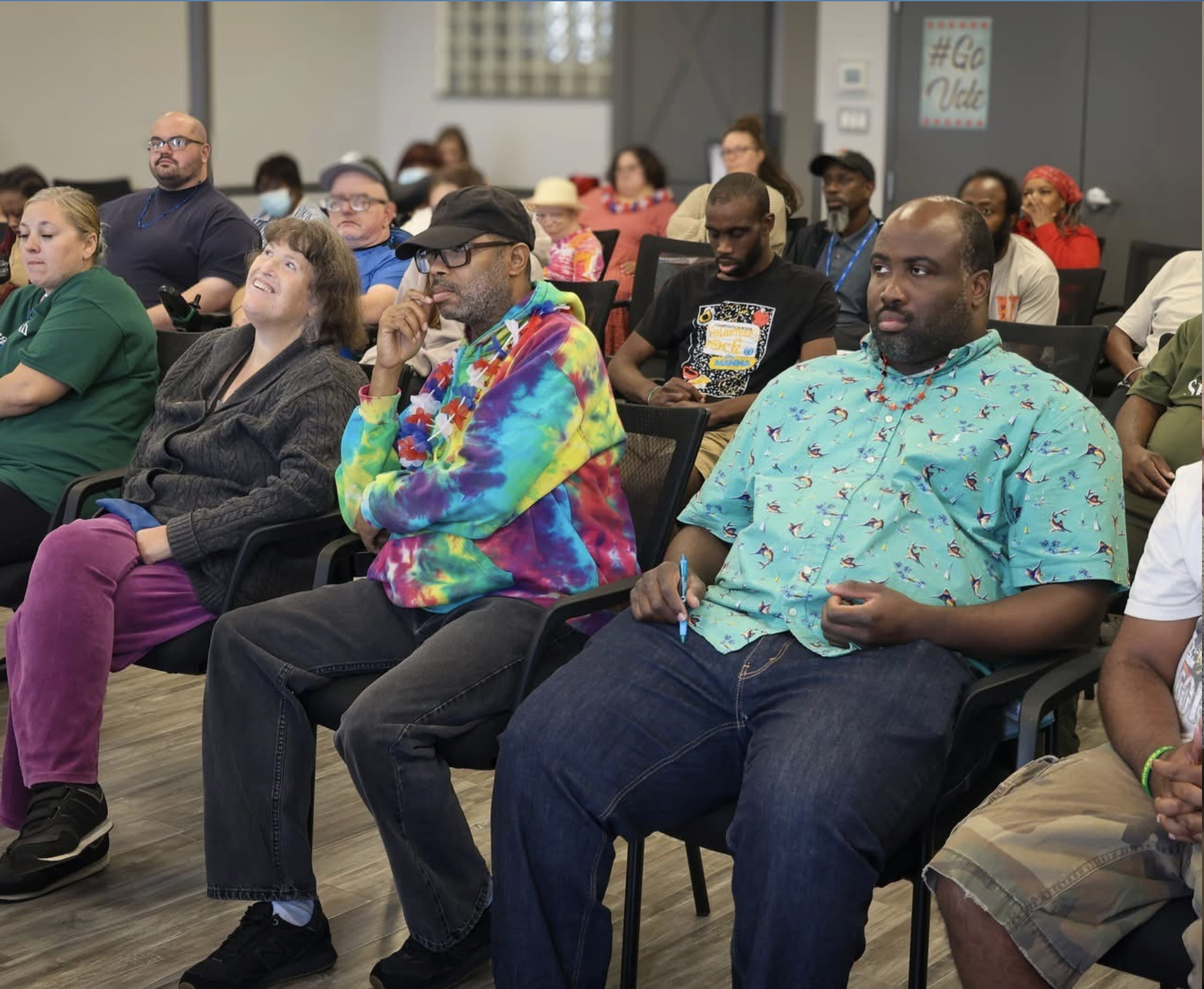
Image: A group of people sits and listens during an informational session through "Speaking For Ourselves".
Across Colorado, organizations such as Speaking For Ourselves Colorado and People First chapters help individuals with IDD develop leadership skills and advocate for their rights. In these groups, members support each other while learning practical skills, such as how to resolve housing issues, navigate service systems, or advocate for policy changes. The process itself builds confidence and reinforces the idea that individuals can shape their own lives and communities.
Increasingly, recognition of the importance of self-advocacy has involved families learning when to step back and allow the individual with a disability to lead. It may be as simple as a support coordinator asking the person directly, “What are your goals?” instead of asking their caregiver. It can also mean healthcare providers using plain language so a patient with an intellectual disability can give informed consent.
Colorado has taken an important step in this direction through Supported Decision-Making agreements, which were formally recognized in state law in 2021. These agreements allow individuals with disabilities to choose trusted supporters who help them understand options and make decisions, without giving up their legal rights through guardianship.
Advocates often describe Supported Decision-Making as the next frontier of disability rights, building on the principles established by the ADA. Across the country, more states are beginning to formally recognize Supported Decision-Making agreements in law, giving individuals with disabilities stronger legal standing when choosing supporters instead of defaulting to guardianship.
At the same time, schools, healthcare providers, and service agencies are increasingly incorporating Supported Decision-Making practices into transition planning and service coordination. Advocates believe this shift signals a broader cultural change: moving away from systems that assume incapacity and toward models that prioritize autonomy, informed choice, and the right to take part in decisions that shape one’s own life, which is the foundational view of the Independent Living Movement. In the years ahead, many expect Supported Decision-Making to play a growing role in education, healthcare, financial planning, and other areas where people with disabilities have historically been excluded from decision-making processes.
Building Independence Through Community Support
Navigating disability services can be complicated, but individuals and families do not have to do it alone. In Colorado, Case Management Agencies (CMAs) help determine eligibility for services and connect individuals to programs such as Medicaid waivers and the Family Support Services Program.
Community organizations also play a critical role. CPWD is part of the national network of Centers for Independent Living, organizations created by the disability rights movement to support independence and community integration.
Our Independent Living Advisors work one-on-one with individuals to identify goals and connect them with the resources needed to achieve them, whether that means developing daily living skills, finding housing, navigating benefits, or strengthening community connections.
Peer support is another essential part of that process. CPWD hosts peer support groups where individuals with disabilities can share experiences, learn from one another, and build supportive friendships. For many participants, these groups become a powerful source of confidence and connection.
To connect with one of our Independent Living Advisors, call (303) 442-8662 or email info@cpwd.org.
To join one of our Peer Support groups, visit our Service Calendar to find an upcoming meeting.
Colorado also has a strong network of disability organizations working to support individuals and families. Groups such as The Arc of Colorado, AdvocacyDenver, and Disability Law Colorado provide advocacy, legal guidance, and policy leadership. Programs like the Colorado Division of Vocational Rehabilitation help individuals explore employment opportunities, while organizations such as the Development Disabilities Resource Center offer guidance on long-term planning and Supported Decision-Making.
Together, these organizations form a broader ecosystem of support designed to help people with disabilities live, work, and participate fully in their communities.
Progress in disability rights has always been driven by the community. When individuals, families, advocates, and allies work together, they help build a world where people with intellectual and developmental disabilities have the same opportunities to pursue independence, purpose, and belonging as anyone else.
And together, that work continues every day.