

What We’ve Been Working On: A Systems Advocacy Update

Image: Members of CPWD’s staff and community meet with state representatives as part of CPWD’s Systems Advocacy initiatives.
Systems advocacy is one of our most powerful tools for creating lasting community change. While one-on-one services assist individuals in achieving important independent living goals, systems advocacy works to dismantle the barriers, reshape the policies, and transform the environments that shape our lives. Every bill we champion, every room we walk into, every decision-maker we educate is a step toward a community where people with disabilities are included, heard, and valued. Read on to see what we've been working on and how you can make a difference.
Current Systems Advocacy Efforts
Bringing Your Voice to City Hall
CPWD has been partnering with the City of Boulder on a series of Learn and Share Listening Sessions. These are community events where City staff present ongoing projects and initiatives and hear directly from people with disabilities.
The first session of the year took place on March 7th, centered on the Boulder Valley Comprehensive Plan (aboulderfuture.org). This plan shapes how Boulder grows; where housing gets built, how transportation is designed, and what community spaces look like for decades to come. When people with disabilities have a seat at that table early in the process, their voices influence decisions and outcomes. It’s important that City planners and groups hear the needs of people with disabilities so they can make plans that include accessibility and equity. A second listening session is coming this June. Registration will open soon. Sign up for advocacy updates here to get notified when registration opens..
Supporting Bills That Protect Our Community
We’re at the halfway point of Colorado’s 2026 legislative session, and there’s a lot at stake. CPWD is a member of ACCIL (the Association of Colorado Centers for Independent Living), which is actively supporting eight bills this session. Here are the bills and why each one matters (click the bill number link to learn more about each one):
• HB26-1018 – Long-term Care Services for Nursing Home Residents
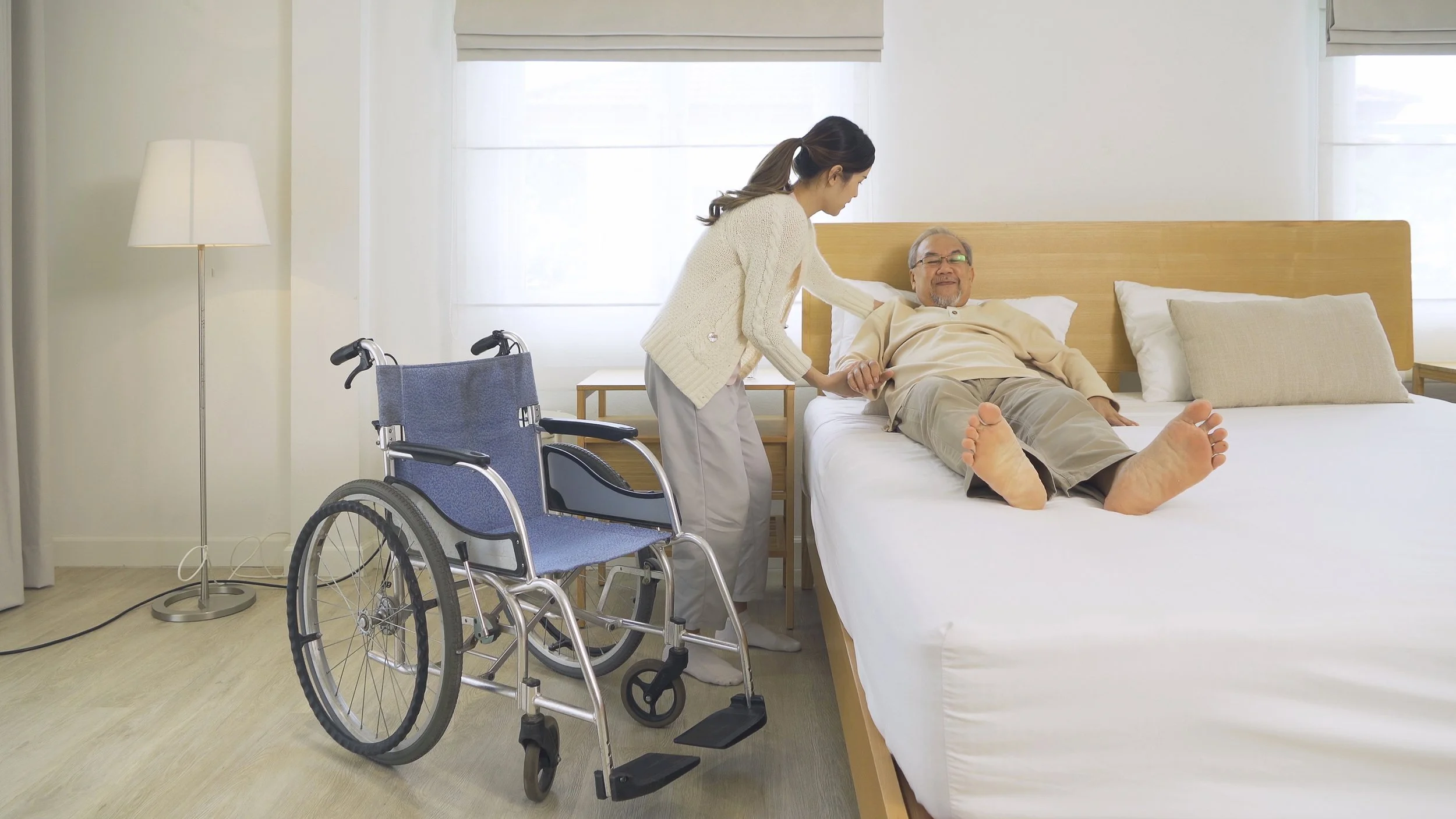
Image: A caregiver helps and elderly man in his bed. A wheelchair sits next to the bed.
People living in nursing facilities deserve quality, consistent care. This bill aims to strengthen protections for some of our community’s most vulnerable members.
• HB26-1040 – Sterilization Rights of People with Disabilities
Reproductive autonomy is a fundamental right. This bill works to ensure that people with disabilities have full legal protection over their own bodies, reproductive, and medical decisions.
• HB26-1023 – Political Party Liability for Accessibility Requirements
Democracy is designed to reflect the voice of the people; it works best when everyone can participate.. This bill aims to hold political parties responsible for making their events and facilities accessible to all.
• HB26-1057 – Veteran Disability License Plates & Taxes & Fees
This bill addresses fees and taxes related to disability license plates for Veterans, seeking to reduce costs for Veterans with disabilities.
• HB26-1010 – Older Adult Support & Representation in Workforce
Older adults contribute enormously to our communities and economy, and often face barriers to continued employment. This bill supports their inclusion and representation in the workforce.
• HB26-1147 – Host Home for People with Intellectual & Developmental Disabilities
Host home programs offer a community-based alternative to institutional care. This bill supports expanding that option for people with intellectual and developmental disabilities.
• HB26-1109 – Sign Language Consumer Protection Study
Deaf and hard-of-hearing individuals depend on qualified interpreters for everything from medical appointments to legal proceedings. This bill takes steps to ensure the quality and integrity of those services.
• HB26-1328 – Medicaid Nonemergency Medical Transportation
Getting to a doctor’s appointment shouldn’t be a barrier to healthcare. This bill addresses transportation access for Medicaid recipients — a critical issue for many people with disabilities.
The STEP Program Is Here
We’re proud to announce that the STEP Program — Support Toward Empowered Post-trauma Independent Living — is officially rolling out. STEP is a pilot partnership between CPWD and Boulder Community Health (BCH), funded through a grant from the Boulder Community Health Foundation.
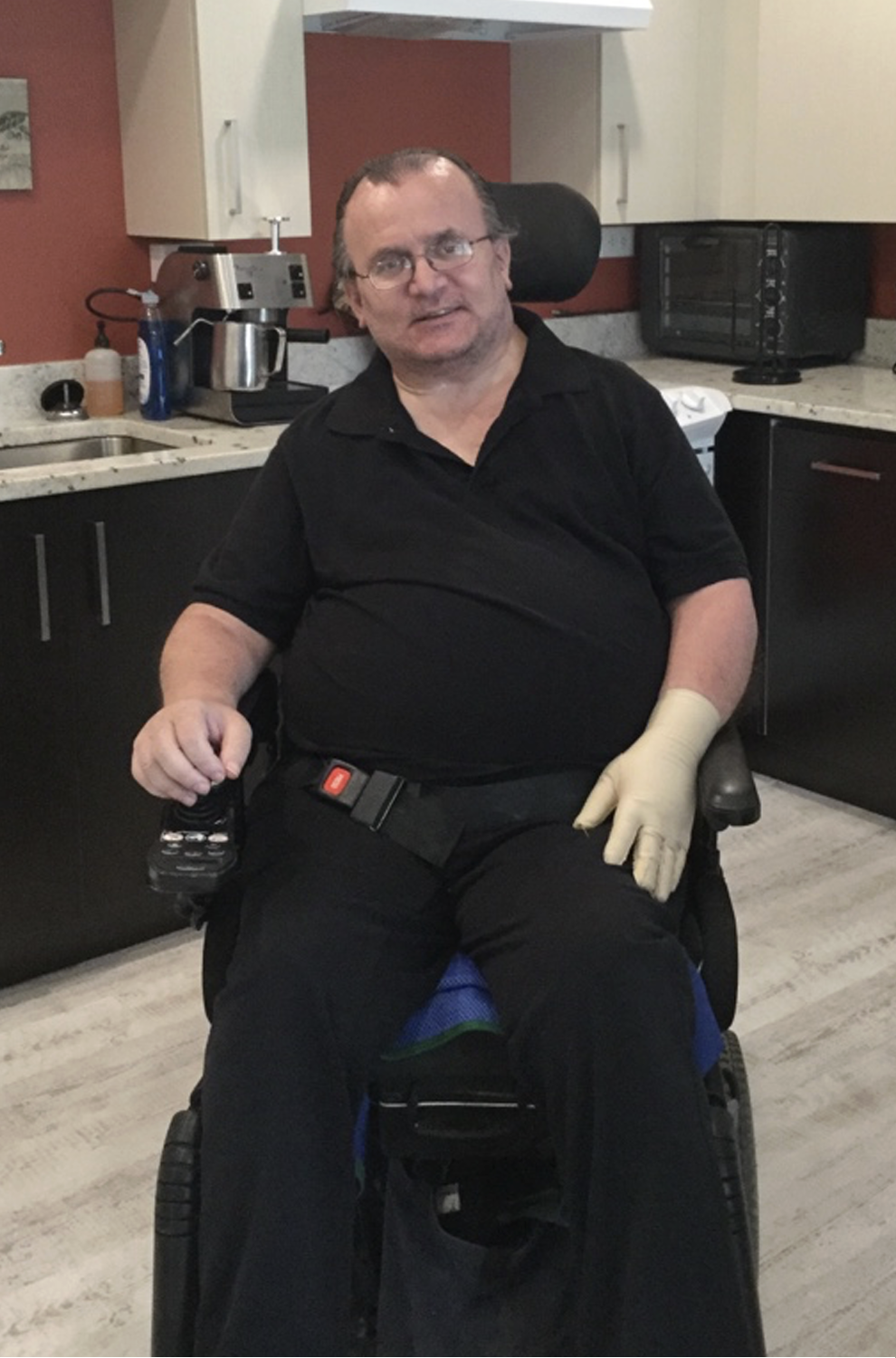
Image: Luca, a participant in the STEP program, is pictured sitting in his electric wheelchair as he moves into his new apartment.
Here’s the reality that inspired this project: in 2024, BCH treated 1,094 trauma patients. 57% were discharged directly home, often without community supports in place. And 44% of injury survivors develop acute stress disorder. People leave the hospital after a traumatic injury, frequently with a new or newly intensified disability, with few resources and connections, and are left to navigate benefits, housing, transportation, and daily life largely on their own.
STEP was built to close that gap. Through a tiered model that starts from basic information and referrals and goes all the way to a full Independent Living plan with a CPWD advisor, the program meets people where they are and supports them at the level that meets their current transition and independence needs. The program is currently available by referral through BCH’s Trauma team. If you or someone you know is being treated at Boulder Community Health following a traumatic injury, a member of the Trauma unit can connect them with CPWD.
Learn more about the STEP Program here.
Advocating for People with Access and Functional Needs During Emergencies
On March 4th, CPWD presented at the Western Utilities Communications Workshop, an event that brought together mid- to senior-level communications specialists and managers from major utility companies, with a focus on wildfire communications.
Our presentation covered best practices for communicating with individuals who have Access and Functional Needs (AFN) — people who may need additional support during emergencies because of disability, limited English proficiency, age, or other factors.
When utility companies understand how to reach and serve people with AFN, it can save lives. That’s why getting in the room with decision-makers matters.
What’s Coming Up
April: Two Major Conferences
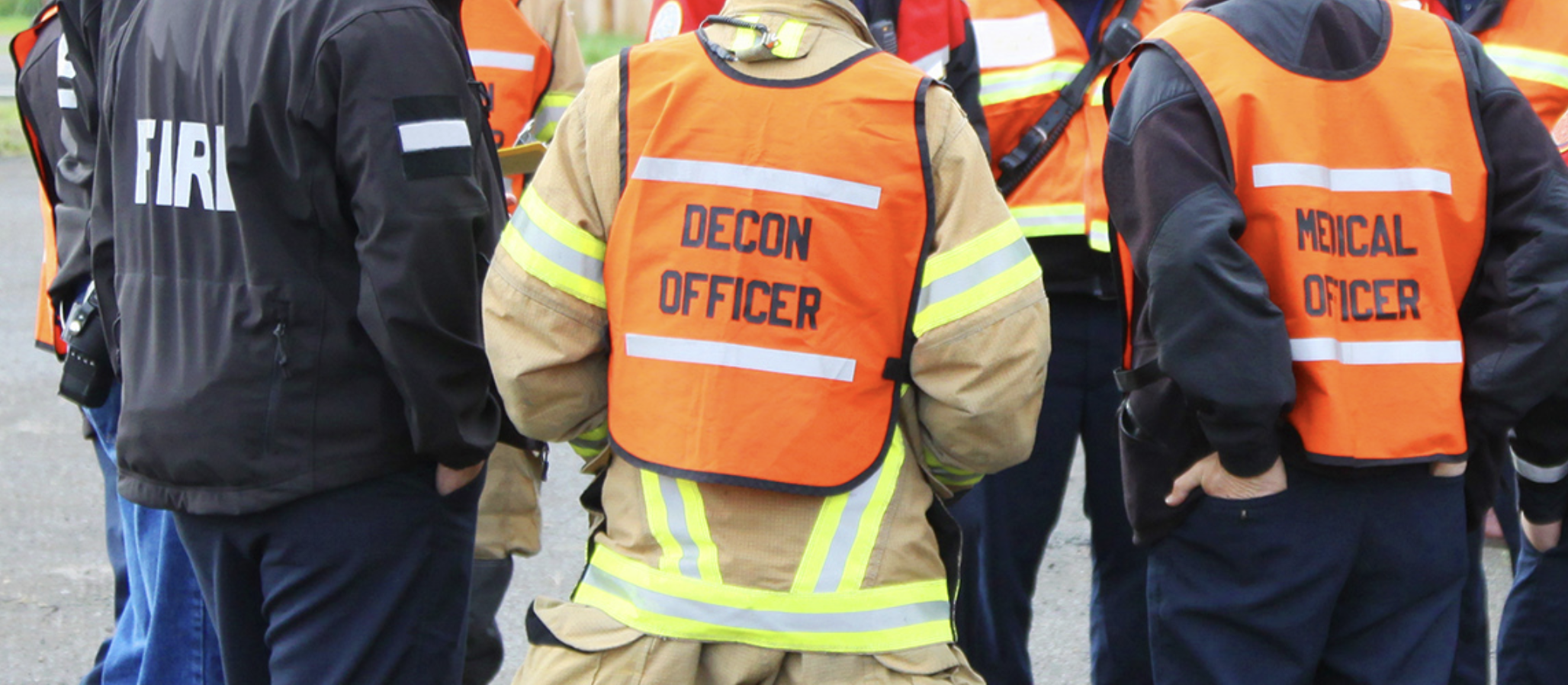
Image: Members of the Medical Reserve Corps of Boulder County are pictured from behind, wearing reflective vests with their job title written on the back, such as “Medical Officer”, “Decon Officer”, and “Fire”.
CPWD will be presenting at the 2026 Access and Functional Needs Conference on Co-Designing Accessible Wildfire and Power Outage Preparedness for Access and Functional Needs Communities. Emergency preparedness that doesn’t center the people most at risk isn’t real preparedness; we’re bringing that message to the planners and decision-makers.
We’ll also be presenting at the Medical Reserve Corps of Boulder County Summit in April. The MRC is a network of volunteers who support community health and emergency response. By ensuring they’re equipped to serve people with disabilities, the whole system is stronger.
May: Atlantis Ready — Statewide Emergency Preparedness Exercise
In May, CPWD will participate in Atlantis Ready, an Emergency Tabletop Exercise focused on improving disaster preparedness for people with disabilities.
What makes this especially significant: all nine of Colorado’s Centers for Independent Living, the Colorado Statewide Independent Living Council (CSILC), and state and local emergency planners and first responders will be at the table together. Consortiums like this build the relationships and shared understandings that increase inclusivity and improve outcomes in disaster response efforts.
June: Listening Session at the North Boulder Library

Image: Community members and CPWD staff sit together in the CPWD Longmont Office for a public Listening Session.
In June, we’re hosting a community listening session at the Boulder Public Library – North Boulder Branch to learn about their new Makerspace and provide feedback on its accessibility.
Makerspaces are community hubs for creativity, learning, and connection; we aspire to see these community spaces accessible to all. Want to see what the space looks like? Take a virtual photo tour here.
A sign-up link is coming soon.
Fall: Emergency Preparedness Trainings Across the Region
This fall, CPWD will host Emergency Preparedness Trainings in Boulder, Broomfield, and Gilpin Counties. These trainings are designed specifically for people with disabilities and will provide practical tools and information for preparing for disasters and emergencies.
More details to come! But if you or someone you know lives in one of these counties, sign up for Advocacy updates here to get more information.
Be Part of the Change
Systems advocacy is the work that changes what’s possible. Every bill that passes, every room we walk into, every piece of feedback we deliver to a city planner or utility company represents our community’s right to be seen, heard, and included. That work is most powerful when more of us are doing it together.
There are meaningful ways to plug in right now:
• Attend an upcoming event. From the North Boulder Library listening session in June to Emergency Preparedness Trainings this fall, there are real opportunities to show up, learn, and make your voice count.
• Sign up for Advocacy Updates. Stay in the loop on legislation, hearings, and actions that affect our community.Subscribe at cpwd.org/advocacy-updates.
• Reach out. Have a question, a concern, or an idea? We want to hear from you.Contact us here.
The work of building a more accessible, equitable community belongs to all of us. Join us and make a difference.