

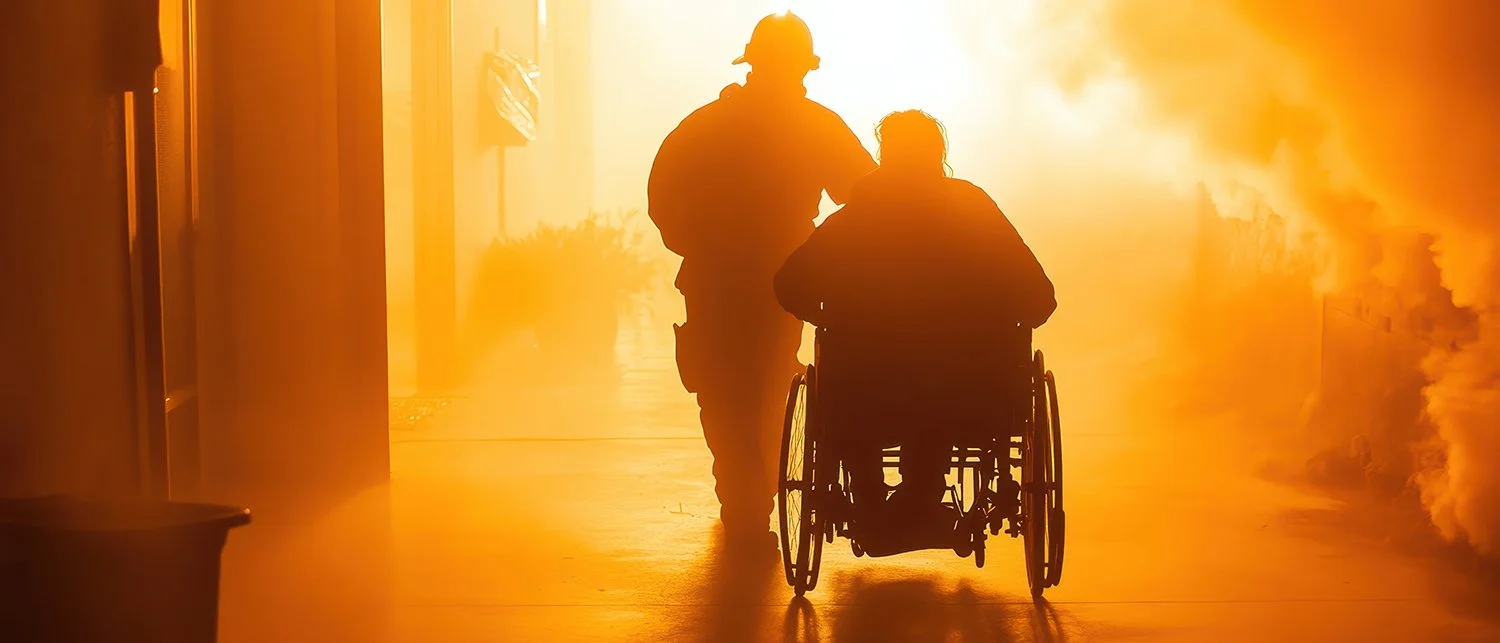
When the Alert Comes: Getting Ready Before the Next Emergency
A plan you make on a calm Tuesday is worth more than anything you can work out in twenty minutes. Here is how to build one around your own equipment, medications, and people, plus three free trainings this fall where we will help you put it together.
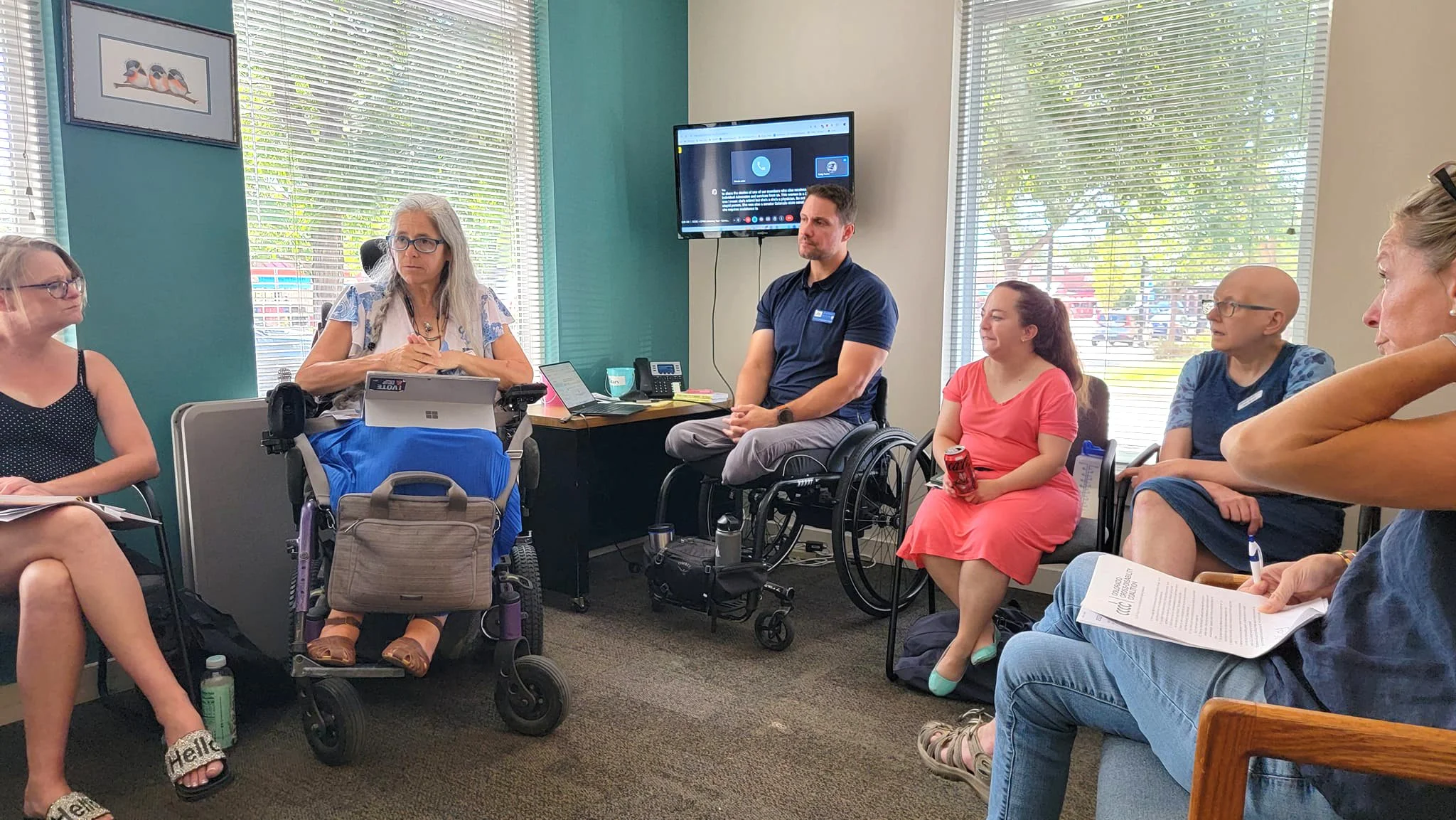
Nothing About Us Without Us: What Independent Living Actually Means
In April 1977, more than 100 activists with disabilities occupied a San Francisco federal building for 26 days and would not leave until Section 504 was signed. That same year, CPWD began here in Boulder County. Next year, we both turn 50. Here is what Independent Living actually means.
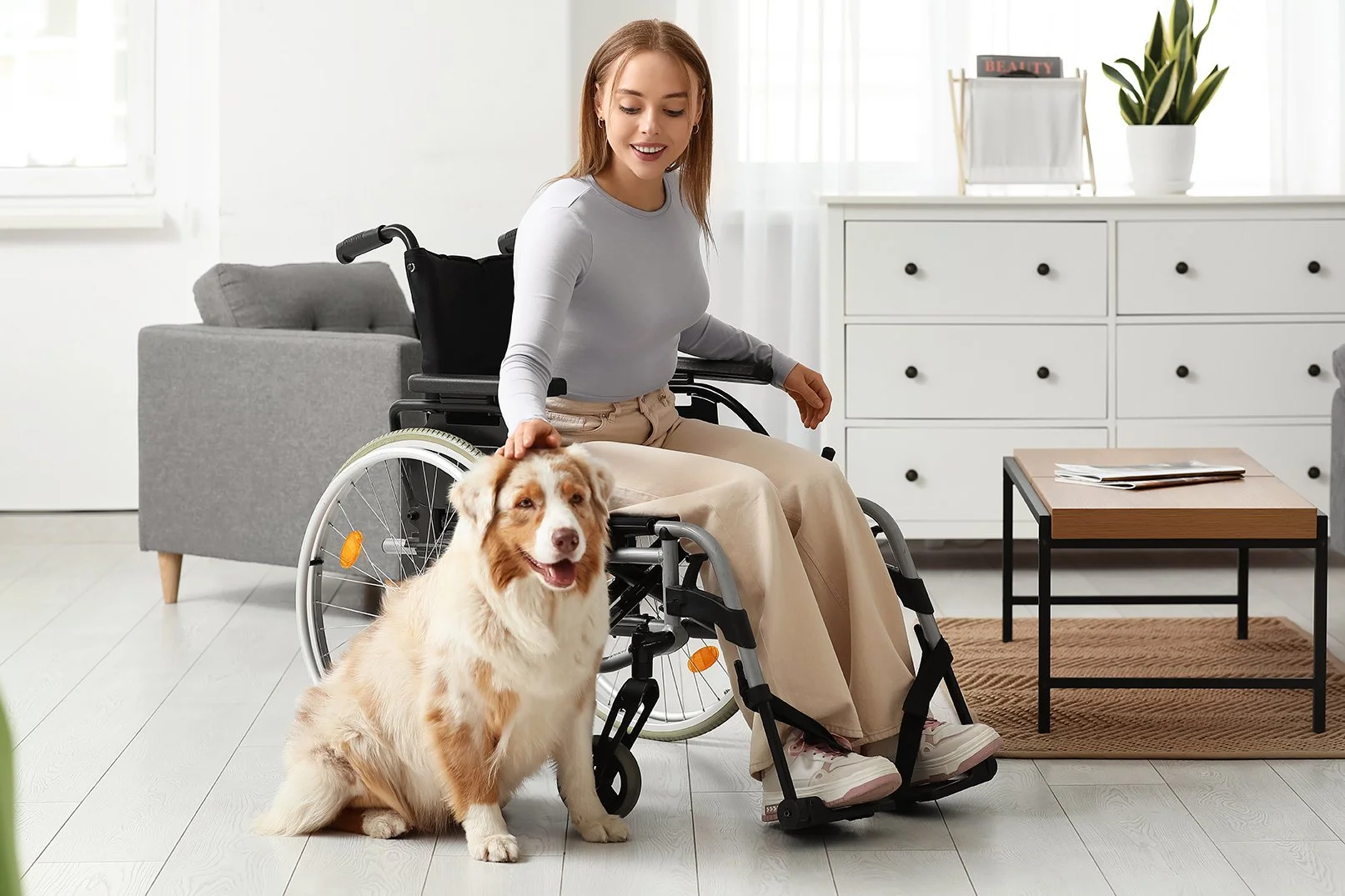
Your Assistance Animal and Your Home: What Colorado's New Law Protects
On August 12, 2026, Colorado's House Bill 26-1045 took effect, protecting the right to keep an assistance animal where you live. It arrived just as the federal government narrowed those protections and cut emotional support animals out of the housing definition. Here is what changed, what the state law now guarantees, and how to request a reasonable accommodation.
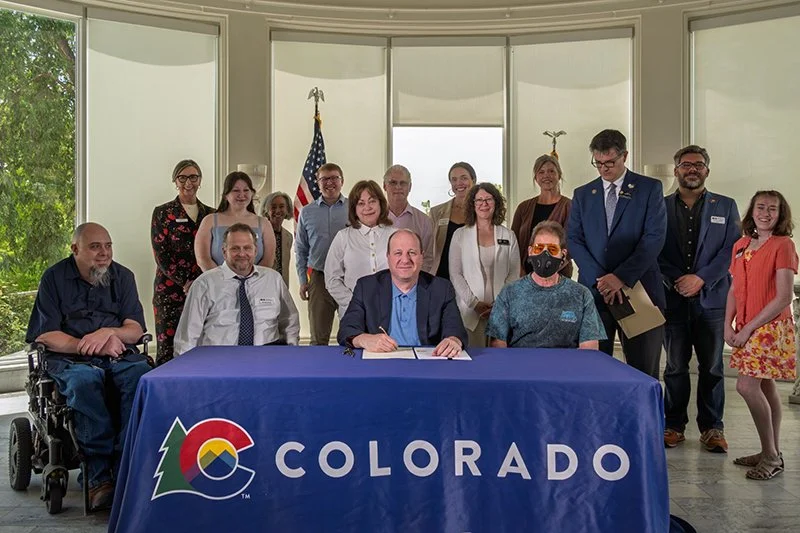
Benefits in 2026: What Is Changing, What Is Available, and Where to Get Help
If you live with a disability, or you love someone who does, 2026 brings real changes to the benefits and services you count on. Social Security raised benefits, ABLE accounts opened to an estimated six million more people, Medicaid added a work requirement with exemptions that protect many of us, and Colorado passed three new laws and reshaped its home and community services. Here is our plain-language guide to each change: what it is, who it affects, and where to get help.
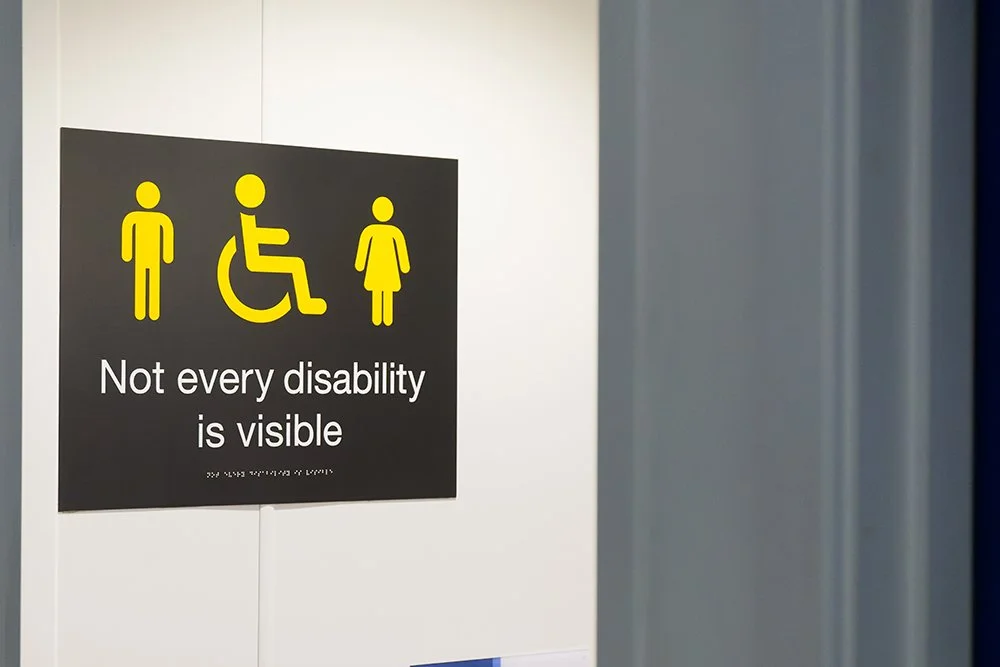
You Don’t Need to See to Believe: Understanding Invisible Disabilities
Not all disabilities are visible. Chronic pain, mental health and neurological conditions, and autoimmune illness shape daily life without showing on the surface, and the CDC counts more than one in four adults living with a disability, many of them unseen. At CPWD we hold to a simple principle: you are the author and expert of your own experience, and you do not have to prove it to anyone. This piece explores what invisible disabilities ask of us, and the rights, language, and peer support that help us meet doubt with confidence.
A Living Law: Using the Americans with Disabilities Act Today, and Building What Comes Next
This July marks 36 years since the Americans with Disabilities Act became law, and at CPWD we are looking ahead. The ADA is not a monument to visit once a year. It is a living tool that grows stronger every time we pick it up and use it. This piece is a plain-language guide to the rights it already gives us, at work, in our communities, and increasingly online, and to how we put them to work with confidence: requesting an accommodation, asking for what a space needs, and knowing where to turn. It is also a look at what we are building next, from new rules bringing government websites up to full accessibility by 2027 and 2028, to more than two dozen states moving to end subminimum wage, to communities embracing universal design so that access built for some becomes a gift for all. The doors the ADA opened are ours to walk through, and the next chapter is ours to write, together.
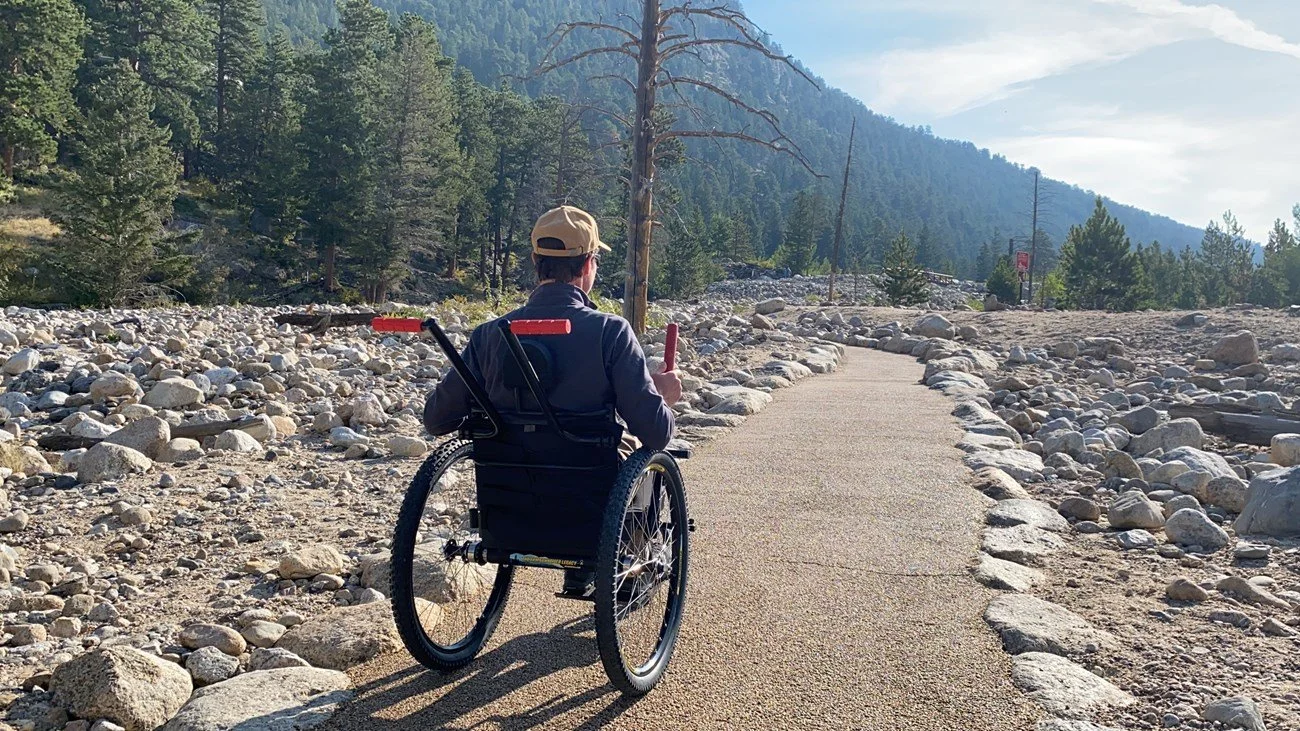
Accessible Colorado: 2026 Summer Edition
The outdoors belong to everyone. Our updated 2026 guide to accessible recreation across Colorado gathers new places to explore, longtime favorites worth revisiting, and the practical resources, from track chairs to the Columbine Parks Pass, that make a day outside possible.
The World Works Better With Us: Why Disability Pride Is So Important
Every July, Disability Pride Month brings the anniversary of the Americans with Disabilities Act and a theme to carry forward. This year it is "The World Works Better With Us," and the evidence behind it is stronger than most people realize. From the curb cuts under our feet to the captions on our screens, we look at what everyone gains when people with disabilities help shape the world, and why disability pride, built in community, makes independent living possible.
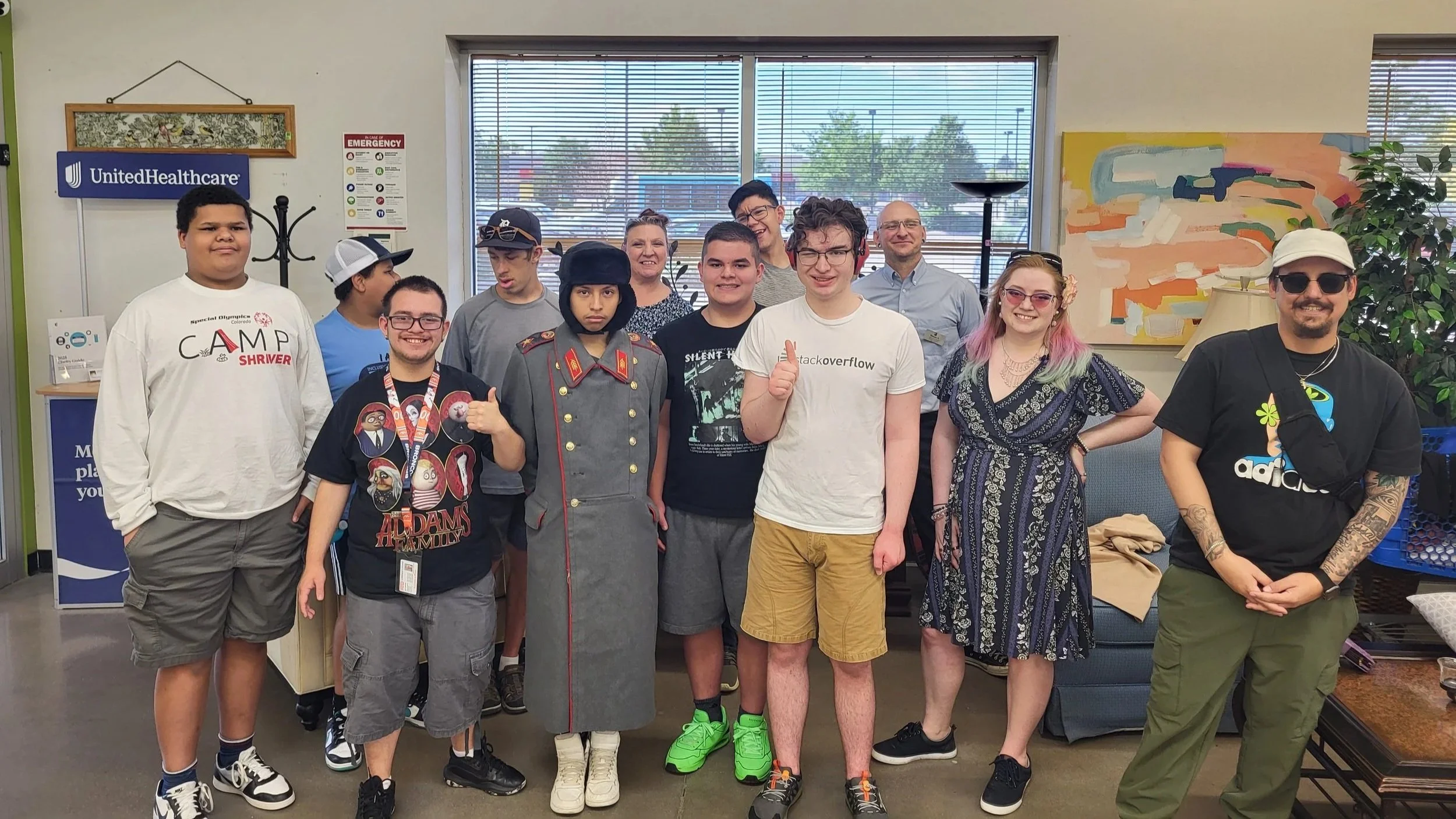
Celebrating 49 Years: A Journey of Independent Living with the Center for People With Disabilities
Real independence begins with respect and equal opportunity. That founding belief has carried CPWD from a grassroots initiative in 1977 to a vital resource network across Colorado's Front Range. As the organization celebrates 49 years, we trace the history, the people, and the core services that continue to put that belief into practice.
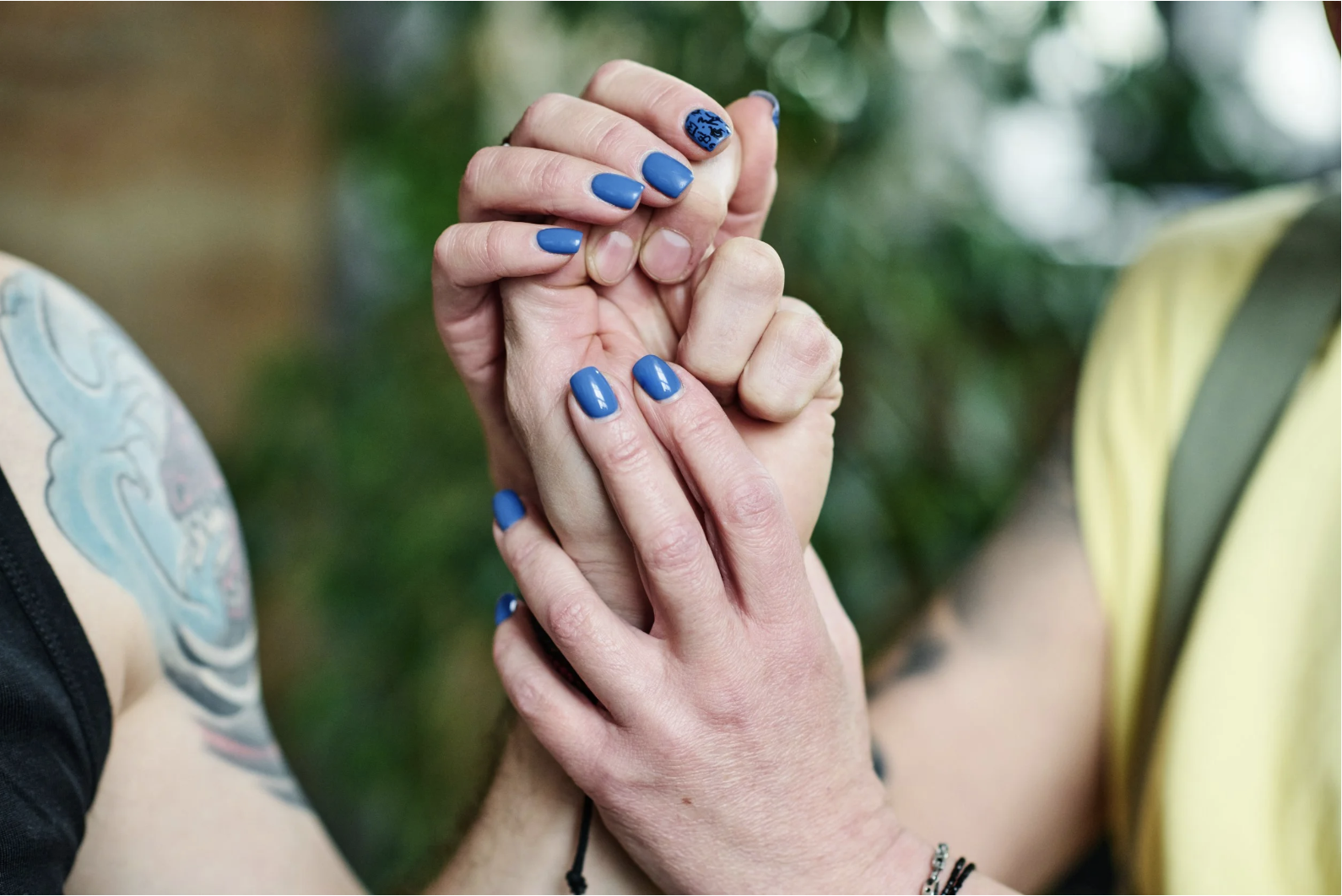
A Call for Awareness and Action: The Importance of Supportive Service Providers
When people with dual sensory loss cannot access Support Service Provider services, institutionalization often follows. Not because they need that level of care. Not because it is what they want. But because the community infrastructure is not there to support them living independently. This is not inevitable. It is the result of a funding system that has not kept pace with need.
Revisiting Amber's Story: From Isolation to Independence
In 2023, we shared Amber's story, and it remains one of the most powerful examples of what independent living looks like when the right support meets the right moment. Diagnosed with Bipolar II and PTSD, Amber spent years unable to leave her home. Today, she is fully employed, completely off SSDI, and raising her son with strength and independence. We're revisiting her journey because stories like hers remind us why this work matters.
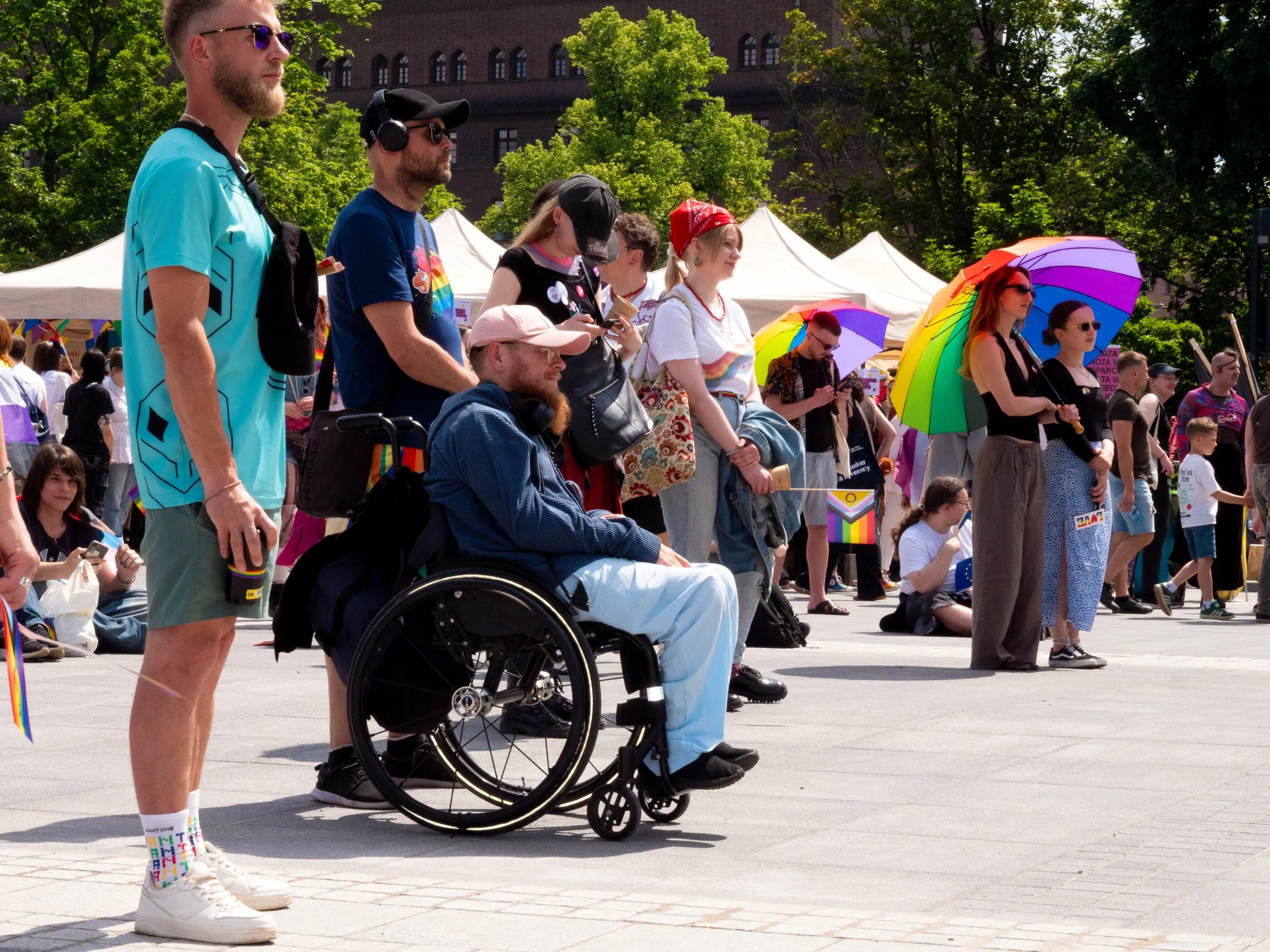
Two Months, One Movement: Celebrating the Intersection of LGBTQ+ and Disability Pride
June and July belong together. Pride Month and Disability Pride Month are often treated as separate celebrations, but for a significant part of our community, they are one story told in two chapters.
The overlap between LGBTQ+ and disability identities is not a footnote: 36% of LGBTQ+ adults report having a disability, and both movements share deep roots in the same demand that every body, every life, belongs fully in public life. From the Stonewall Uprising to the Capitol Crawl, these are communities that have fought for self-determination, redesigned the world for everyone in the process, and built power through solidarity.
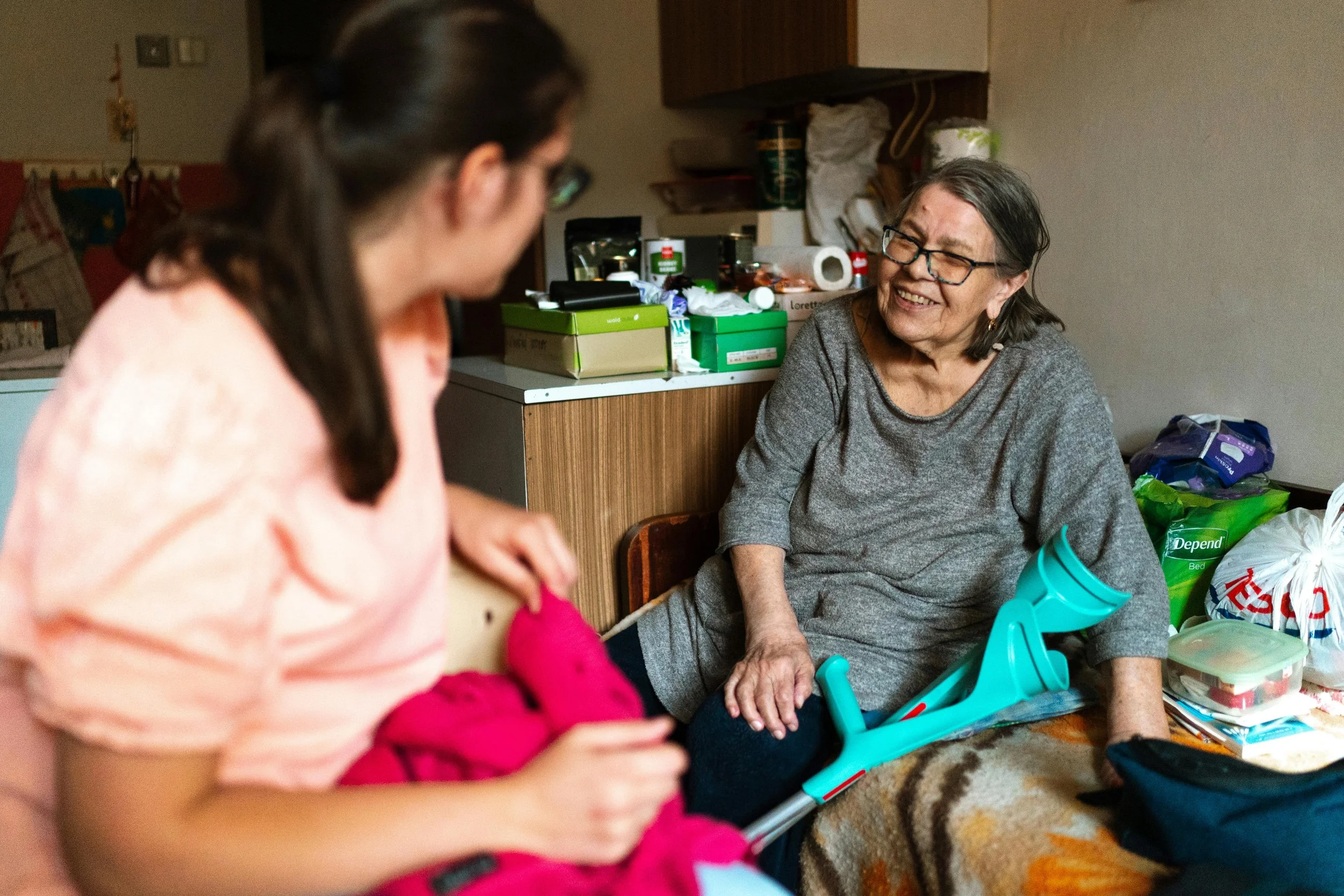
When Choosing Your Own Caregiver Is a Civil Rights Issue
For many people with disabilities, access to a trusted caregiver depends on immigration policy, and right now, that system is failing them. Immigrants make up nearly a third of the U.S. home care workforce, and a visa backlog stretching more than 20 years keeps many family caregivers from getting here at all.
CPWD is bridging disability rights and immigrant rights, and advocating for the changes that would make choosing your own caregiver a reality for everyone.
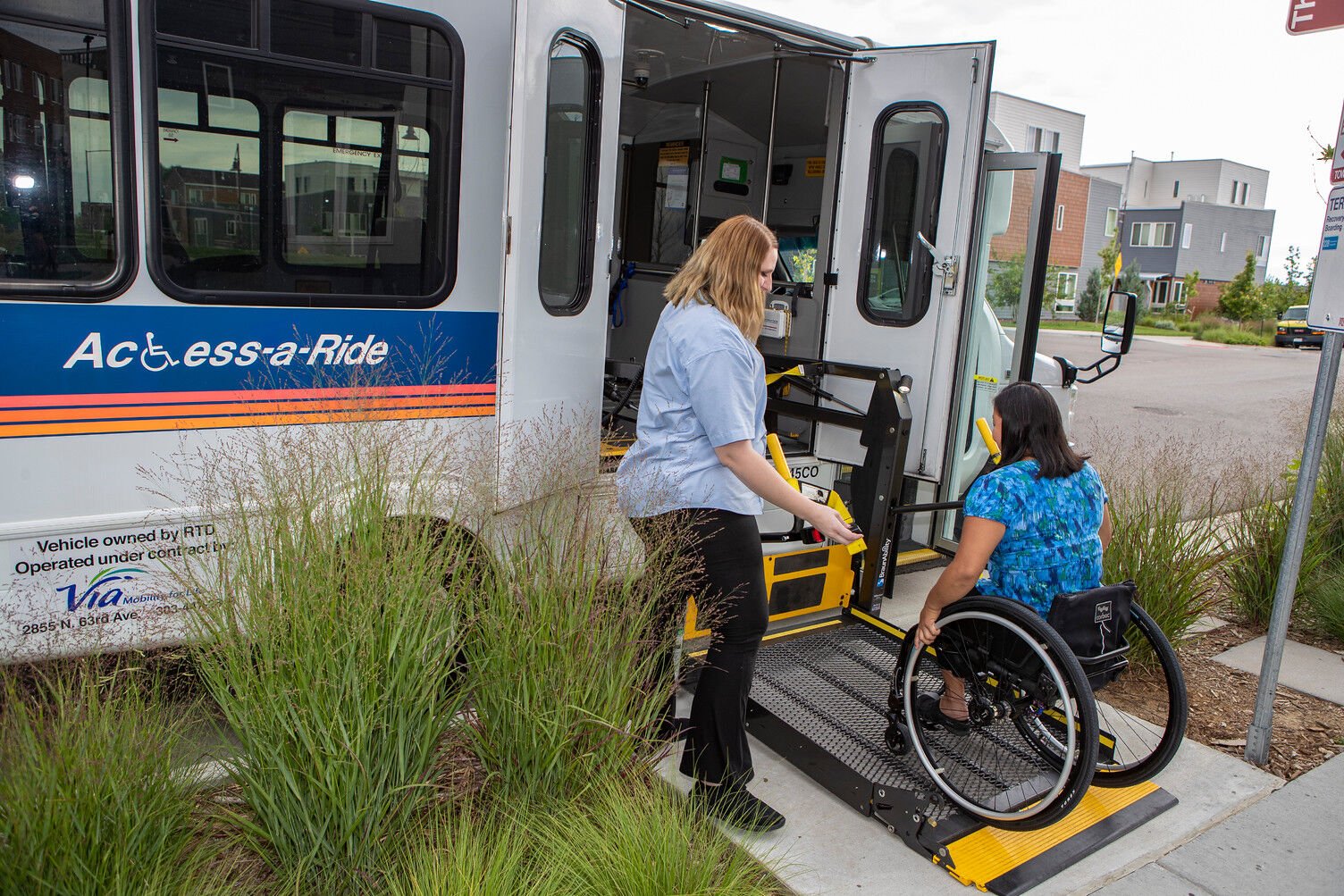
Mobility Awareness, Accessibility, and the Future of Inclusive Communities.
For Maya, getting to a farmers market means checking curb cuts, elevator status, and door weights before she ever leaves home. Her experience reflects what millions of people with mobility disabilities know every day: accessibility isn't a design feature. It's the difference between participating in community life and being excluded from it. This Mobility Awareness Month, we're exploring how far we've come and how far we still have to go.
Mental Health Awareness Month: Colorado Is Moving Forward
Every May, Mental Health Awareness Month invites us to look honestly at where we are — and this year, that means holding two truths at once. At the national level, federal Medicaid cuts and instability at SAMHSA have created real uncertainty for people with disabilities who depend on mental health services. But here in Colorado, something different is happening. Advocates and legislators have been building — and there are concrete wins worth knowing about.
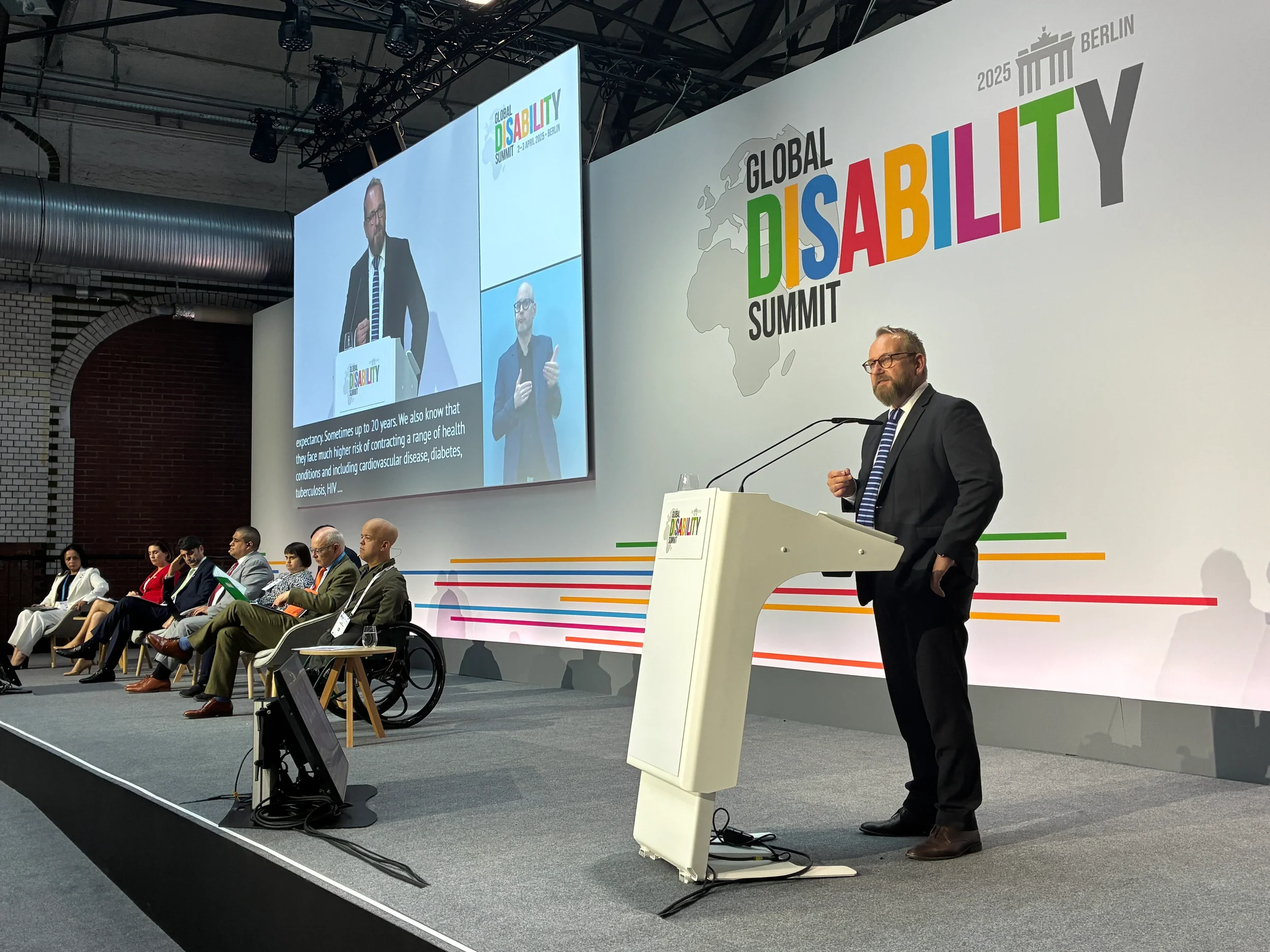
Accessibility Is a Global Conversation, and It's Moving Fast
When Mind Prawatsrichai visited CPWD from Bangkok, she came with a purpose: to observe, learn, and bring ideas home. What she found was a consumer-directed model, peer support rooted in lived experience, and an organizational philosophy that treats people with disabilities as decision-makers.
Her visit opens a much larger conversation. The movement to build accessible, inclusive communities is not a uniquely American project. It is a global effort, powered by advocates in every country asking the same fundamental questions: What does it mean to design a world that works for everyone? And what can we learn from each other?
Understanding and Accepting Autism
In this thoughtful guest blog, CPWD board member Sylvan Pearlstein shares why many advocates are calling for a shift from autism awareness to autism acceptance. The article explores common misconceptions, explains autism through the lens of neurodiversity, and highlights the importance of respect, accommodation, and authentic support. Readers will gain a deeper understanding of autistic experiences while learning how acceptance can create a more inclusive world year-round.
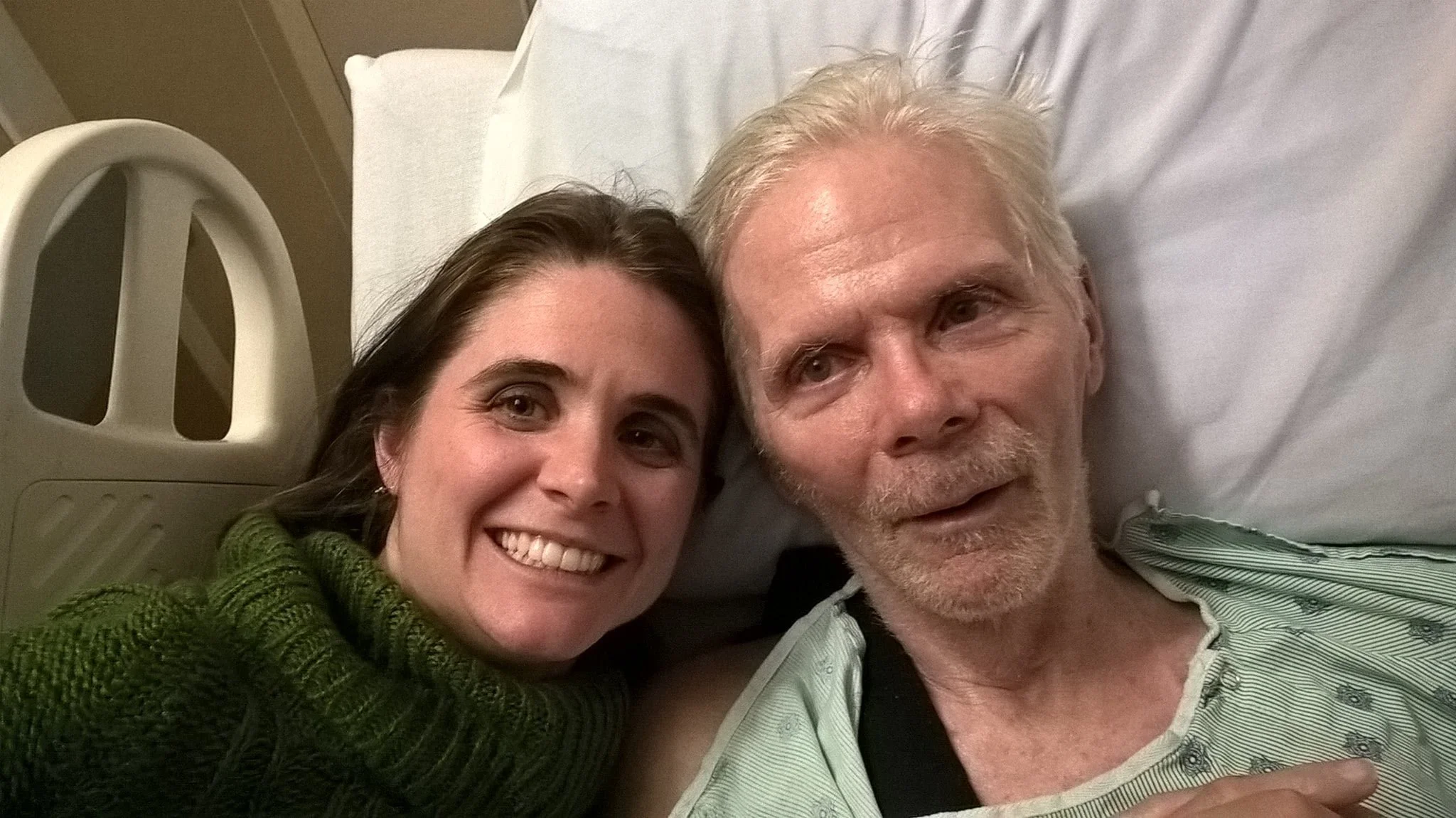
When a Disease Changes What's Possible: Understanding Disability, Benefits, and Your Rights
When my father's Parkinson's tremors ended his career, our family entered a world most people don't know exists until they're already inside it: the long, complicated gap between a diagnosis and the support system meant to catch you. His story is one of millions. This article walks through how diseases like Parkinson's, MS, arthritis, and diabetes become disabilities, and what the benefits process actually looks like for the people living through it.
Living Fully: What Limb Loss and Limb Difference Awareness Month Is Really About
April is Limb Loss and Limb Difference Awareness Month — and there has never been a more exciting time to talk about what's possible. From groundbreaking prosthetic technology to the power of peer connection, people with limb loss and limb difference are living fuller, more connected lives than ever. Here's what that looks like, and how all of us can be part of moving things forward.
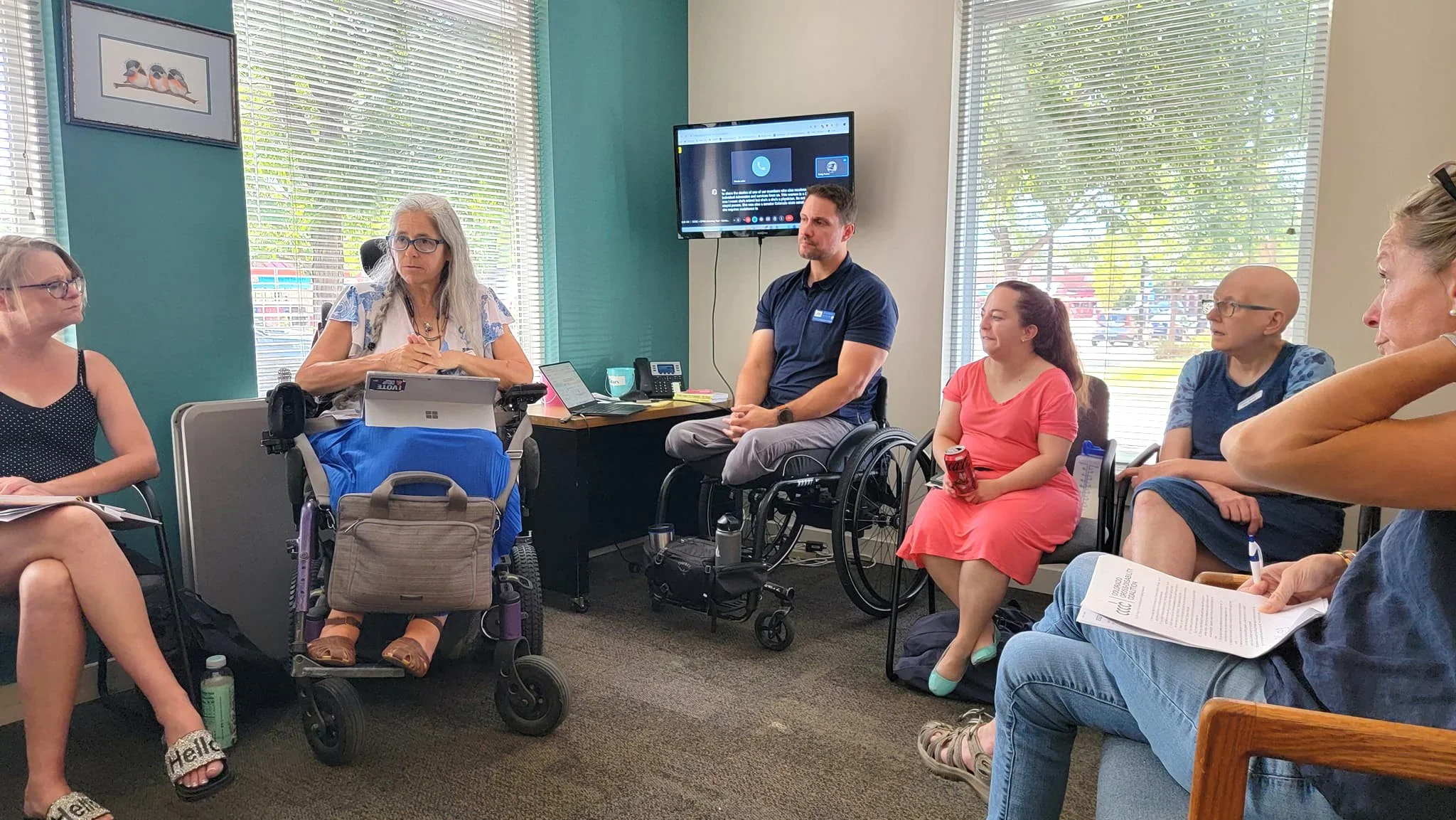
What We’ve Been Working On: A Systems Advocacy Update
At CPWD, systems advocacy is one of the most powerful tools we have, and right now, there's a lot in motion. From the Colorado statehouse to city planning sessions, emergency preparedness exercises, to a brand-new pilot program launching in partnership with Boulder Community Health, we're working on multiple fronts to build a community where full participation is the rule of law. Here's a look at what we've been doing on your behalf, what's coming up, and how you can be part of it.